
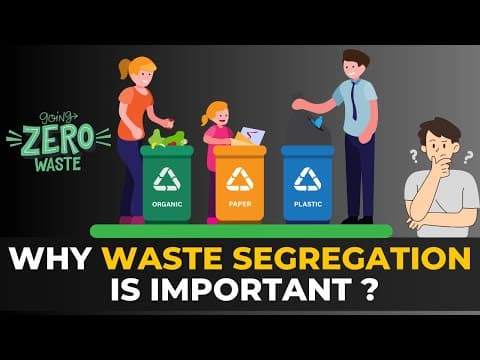
Waste segregation is essential for reducing landfill strain, enhancing recycling efficiency, and promoting healthier communities. By sorting waste at the source, we can significantly impact environmental sustainability and public health.
In our daily lives, waste generation is an unavoidable reality. From our homes to offices and industries, we produce waste that, if not managed properly, can lead to severe environmental pollution and health hazards. This blog post explores the importance of waste segregation and how it can contribute to a healthier planet.
Every day, millions of tons of waste are generated globally. Improper disposal of this waste results in overflowing landfills, which leak toxins into the soil and waterways. Additionally, plastic pollution poses a significant threat to marine life and disrupts entire ecosystems. The consequences of neglecting waste management are dire, affecting both the environment and human health.
Waste segregation is the process of separating different types of waste at the source. This includes categorizing waste into various groups such as paper, plastics, glass, and organic materials. By sorting waste before disposal, we can unlock numerous benefits for both the environment and our communities.
One of the primary advantages of waste segregation is its ability to reduce the strain on landfills. By diverting recyclable and organic materials from the waste stream, we can extend the lifespan of existing landfills and decrease the need for new ones. This is crucial in managing the growing waste crisis.
Waste segregation significantly improves the efficiency of recycling and composting processes. When materials are separated at the source, recyclables remain uncontaminated, making them easier to process. Organic waste can be transformed into nutrient-rich compost, which can be used to enrich soil and support agriculture.
Recyclable materials such as paper, plastic, and metal can be reused to create new products. This practice reduces the demand for virgin materials, which in turn conserves natural resources and saves energy. By recycling, we can minimize the environmental impact associated with the extraction and processing of raw materials.
Waste segregation is not only beneficial for the environment but also for our communities. By promoting responsible waste management practices, we can create cleaner and healthier neighborhoods. This initiative fosters a sense of community responsibility and encourages individuals to take pride in their surroundings.
The power of waste segregation lies in our hands. By taking simple steps to sort our waste and recycle responsibly, each of us can contribute to building a more sustainable future. It is essential to educate ourselves and others about the importance of waste segregation and its positive effects on the environment.
Waste segregation may seem like a small step, but its impact on the environment and our communities is significant. By rolling up our sleeves and getting involved in waste sorting, we can make a difference—one piece of trash at a time. Let us work together to promote waste segregation and create a healthier planet for future generations. Share this knowledge with friends, family, and the wider community to spread awareness and encourage responsible waste management practices.



















