
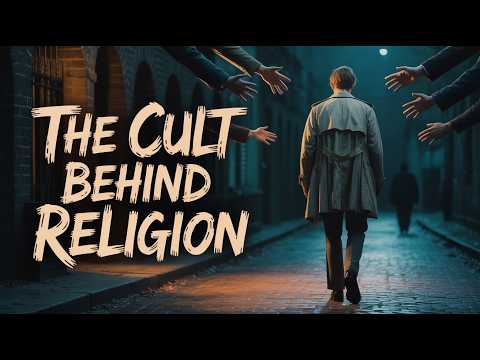
This article explores the psychological and structural similarities between organized religion and cults, highlighting how both systems utilize control, obedience, and fear to maintain authority over their followers. It discusses the implications of these dynamics on individual freedom and societal progress, emphasizing the importance of questioning and critical thinking in the pursuit of genuine belief and identity.
When people hear the word "cult," they often envision a small, obscure group on the fringes of society, perhaps worshiping a self-proclaimed prophet in isolation. However, the reality is that the distinction between a cult and a major religion is primarily one of scale rather than substance. Beneath the rituals, cathedrals, and centuries of art and architecture lies a deeply tribal psychology characterized by obedience, conformity, unquestioned authority, and fear of dissent.
No one wants to believe they are part of a cult; the term feels extreme and embarrassing, reserved for others perceived as weaker. This denial is precisely how these systems maintain control. They do not present themselves as manipulative but rather as sacred. As we delve deeper into the psychological, social, and structural operations of cults, unsettling similarities with organized religion emerge.
One of the core traits of any cult is thought control. This goes beyond merely being told what to believe; it encompasses how to think. Followers are not only taught that certain beliefs are true but also that questioning them is sinful. Doubt is framed as dangerous, and in many religious systems, asking the wrong questions can lead to shunning or worse. The aim is not just to convince but to make disagreement feel impossible.
This phenomenon is often referred to as "loaded language," where ordinary words acquire special meanings, and complex ideas are reduced to slogans. Believers are frequently taught to distrust the world outside their faith, with vague negative phrases designed to steer them away from opposing views. Within this bubble, identity becomes intertwined with belief, making questioning one's faith feel like a betrayal of self, family, and culture.
Many religions, particularly larger ones, employ social reinforcement that mimics cult dynamics. Groupthink becomes a survival tactic, fostering a community that shares the same beliefs, celebrates the same stories, and condemns the same sins. This extends beyond belief to control over behavior, speech, and even private thoughts. The need to confess thoughts is not a moral exercise but rather an internalized form of surveillance.
Moreover, these systems often isolate their members, not just physically but emotionally and intellectually. The outside world is framed as dangerous or evil, and non-believers are labeled as lost or corrupted. This isolation creates a dependency, as individuals raised in tightly controlled religious environments often fear losing their family and support systems if they choose to leave.
A common feature in both cults and organized religions is the presence of an infallible leader—someone who claims to speak for God or channels divine will. This can take various forms, such as prophets, popes, pastors, or imams. The pattern remains consistent: one person or a hierarchy speaks with unquestioned authority, and followers are expected to listen.
When abuse occurs within these systems, it is often swept under the rug or justified as a test of faith. The institution prioritizes its own protection over the well-being of individuals, perpetuating a cycle of denial and accountability avoidance.
Both cults and religions emphasize purity, urging followers to keep themselves free from the corrupting influences of outsiders. This includes strict codes of dress, behavior, and thought. Such purity codes serve as tools of control; the more rules one must follow, the more guilt one feels, making individuals easier to manipulate. Guilt fosters obedience, as individuals who feel flawed by nature are more likely to submit to those who claim they can restore their wholeness.
Indoctrination in cults often begins at a young age, and the same is true for many religious systems. Children are taught beliefs before they can comprehend logic or evidence. By the time they are old enough to question, they are already conditioned to fear dissent. To question is to betray; to think critically is to sin. Leaving such a system means risking everything that has given their life meaning, including community and identity.
When individuals do decide to leave, they often face coldness, anger, threats, or social exile. Former believers are frequently treated as if they have become dangerous or corrupted, reinforcing the idea that leaving equates to moral failure. This reaction is indicative of a high-demand group protecting itself from collapse.
Cults often use love as a means of control, presenting the idea that unconditional love is contingent upon adherence to rules and loyalty to the group. This manipulation is evident in how dissenters are treated compared to converts, with the former often facing shunning and the latter receiving overwhelming approval. Such dynamics make criticism difficult, as even mild disagreement can feel like betrayal.
Fear is a powerful motivator that keeps individuals in line long after they have stopped believing. Many remain in their faith not out of conviction but out of fear of disappointing family, fear of hell, or fear of losing their social world. This dependency is not a mark of rational belief but rather a psychological trap.
Religious institutions often resist change, viewing it as a threat to their authority. This resistance is not based on the strength of their beliefs but rather on the fear that questioning one part of their doctrine could lead to a broader collapse of faith. The control exerted by these systems becomes invisible over time, normalized as the way things are.
When examining these dynamics, it becomes clear that the structure of organized religion can mirror that of a cult. The survival of these systems relies on control over thought, behavior, and belief. The challenge lies in recognizing these patterns and understanding their implications on individual freedom and societal progress.
Real freedom does not come from permission; it arises when individuals stop seeking approval and start claiming their own beliefs and identities. This journey often begins with questioning—recognizing when something is holding them back and shaping their minds in ways they did not choose.
Leaving a high-demand system means facing uncertainty and being okay with not having all the answers. It requires courage to step away from a life lived in fear of punishment and to embrace a life defined by personal meaning and honesty.
The exploration of cult mentality within organized religion reveals a complex interplay of control, obedience, and fear. While many individuals within these systems may lead normal lives, the underlying structures often reward compliance over critical thinking. Recognizing these patterns is crucial for fostering genuine belief and identity, allowing individuals to reclaim their autonomy and pursue a life of meaning that resonates with their true selves.



















