
This blog post explores the controversial history of Monsanto, focusing on its herbicides, particularly glyphosate and 2,4-D. It details the company's rise to power, the health risks associated with its products, and the legal battles that ensued, culminating in significant public backlash and ongoing debates about agricultural safety.
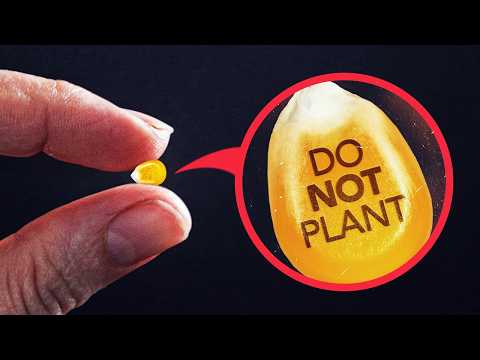
On an October evening in 2016, an Arkansas farmer named Mike Wallace was murdered, not over money or land, but due to a herbicide linked to a powerful agricultural company: Monsanto. This incident highlights the intense fear and conflict that Monsanto's products have instigated among farmers across rural America. With a monopoly over more than 80% of the seeds planted in the United States, Monsanto's practices have led to a culture of fear, legal battles, and health concerns that continue to resonate today.
In 1942, chemist Franklin D. Jones sought a way to eliminate poison ivy, which caused severe reactions in his children. His experiments led to the discovery of 2,4-D, a synthetic growth hormone that could selectively kill broad-leaved weeds while leaving grasses unharmed. This breakthrough paved the way for the development of selective herbicides, revolutionizing weed control in agriculture.
Jones's work culminated in the patenting of 2,4-D in 1945. Following World War II, other scientists independently discovered similar herbicides, leading to a boom in the herbicide market. By the late 1940s, Monsanto was producing significant quantities of 2,4,5-T, another herbicide that further targeted weeds while sparing crops. However, the production of these chemicals was not without consequences.
In 1949, a catastrophic explosion at Monsanto's Nitro, West Virginia plant released toxic chemicals into the environment, leading to severe health issues among workers. Despite the alarming symptoms, including skin lesions, Monsanto continued to market 2,4,5-T as safe. It wasn't until years later that the connection between dioxin, a byproduct of 2,4,5-T production, and health risks became apparent.
During the Vietnam War, the U.S. military used Agent Orange, a mixture of 2,4-D and 2,4,5-T, to defoliate jungles and combat guerrilla warfare. Despite assurances of safety, the herbicide caused widespread health issues among soldiers and civilians, leading to long-term consequences for millions. Internal communications revealed that Monsanto and Dow Chemical were aware of the dangers posed by dioxin but failed to inform the government.
In the 1970s, Monsanto sought to replace 2,4,5-T with a new herbicide, glyphosate. Discovered by John E. Franz, glyphosate was effective in killing a wide range of weeds and was marketed as safe for humans and pets. By 1974, Roundup, containing glyphosate, hit the market and quickly became a favorite among farmers due to its effectiveness and ease of use.
Monsanto's innovation didn't stop with glyphosate. The company developed genetically modified crops resistant to Roundup, allowing farmers to spray their fields without harming their crops. This led to a significant increase in the use of glyphosate and solidified Monsanto's dominance in the agricultural market.
As glyphosate became widely used, concerns about its safety grew. In 2015, the International Agency for Research on Cancer classified glyphosate as a probable carcinogen, igniting public outrage and legal challenges against Monsanto. Thousands of lawsuits emerged from individuals claiming that Roundup caused their cancer, particularly non-Hodgkin lymphoma.
In the ensuing legal battles, internal documents known as the Monsanto Papers revealed the company's deceptive practices, including ghostwriting studies and colluding with regulatory agencies to downplay the risks associated with glyphosate. This manipulation of science and public perception led to widespread condemnation and calls for accountability.
In 2018, Bayer acquired Monsanto, inheriting its legal troubles and public relations nightmare. Despite the acquisition, Bayer continued to face lawsuits and settlements related to Roundup, amounting to billions of dollars. The controversy surrounding glyphosate remains unresolved, with ongoing debates about its safety and the ethics of genetically modified organisms (GMOs).
Monsanto's legacy is a complex tapestry of innovation, controversy, and tragedy. The company's rise to power through herbicides like glyphosate and 2,4-D has transformed agriculture but at a significant cost to public health and trust. As the debate continues, it is crucial to scrutinize the practices of powerful corporations and advocate for transparency and safety in our food systems.



















