
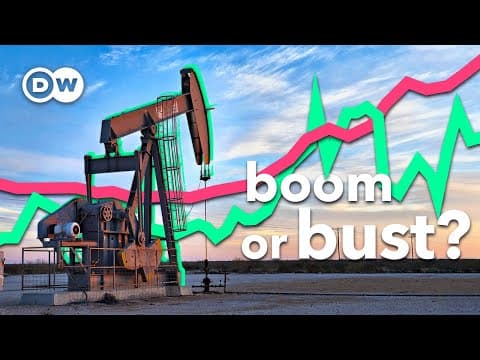
The U.S. oil boom, particularly in Texas, presents a complex picture of economic benefits, environmental concerns, and the hidden costs of abandoned wells. While the industry claims to promote energy independence and job creation, the reality reveals significant challenges, including layoffs, environmental damage, and the financial burden of cleaning up old wells.
The United States is currently experiencing an unprecedented oil boom, particularly in West Texas, where production levels are at an all-time high. Despite pledges to reduce emissions, the country continues to extract oil at a rapid pace. This blog post explores the intricacies of the oil industry in Texas, examining the economic benefits, environmental challenges, and the hidden costs associated with oil production.
West Texas, particularly the Permian Basin, is the heart of U.S. oil production. In August 2024, Texas produced approximately 5 million barrels of oil per day, accounting for nearly half of the nation's total output. This boom has significant implications for the local economy, with oil money flowing into various sectors, including education and museums.
Fracking, or hydraulic fracturing, has revolutionized oil extraction in the U.S. by allowing access to oil trapped in rock layers. This method involves drilling, cracking the rock, and injecting sand, water, and chemicals to keep the fractures open. Since the advent of fracking, U.S. oil production has nearly tripled, leading to increased job opportunities and economic growth.
While proponents of the oil boom argue that it creates jobs and keeps living costs low, the reality is more nuanced. Many workers in the industry earn substantial salaries, with some making six figures without a high school diploma. However, recent layoffs and technological advancements have led to a decrease in job opportunities, as fewer workers are needed to maintain production levels.
The oil industry contributes significantly to Texas's economy, with over $26 billion in taxes paid in 2023. This revenue supports various state initiatives, including education and infrastructure. However, the benefits are not evenly distributed, and many workers face job insecurity as the industry evolves.
Despite the economic advantages, the oil boom comes with serious environmental consequences. Abandoned and orphaned wells pose significant risks, leaking harmful chemicals into the groundwater and contributing to methane emissions. These emissions can be equivalent to the output of thousands of cars, raising concerns about air quality and public health.
Texas has an estimated 783,000 inactive wells, many of which are improperly plugged. The financial burden of properly closing these wells falls on taxpayers, with estimates suggesting that cleaning up these sites could cost trillions of dollars. Activists like Hawk Dunlap and Sarah Stogner are raising awareness about this issue, highlighting the need for accountability in the industry.
One of the key arguments for increased drilling is the pursuit of U.S. energy independence. However, the reality is more complicated. Most U.S. refineries were built before the fracking boom and are not equipped to process the type of crude oil produced through fracking. As a result, much of the fracked oil is exported, while the U.S. continues to import different types of oil, primarily from Canada.
The oil market is a complex global puzzle, and while increased production can influence prices, it does not guarantee lower costs for consumers. Oil companies often prefer higher prices to maintain profitability, which complicates the narrative that more drilling will lead to lower prices for taxpayers.
The U.S. oil boom, particularly in Texas, presents a multifaceted picture of economic growth and environmental challenges. While the industry claims to promote energy independence and job creation, the reality reveals significant issues, including layoffs, environmental damage, and the financial burden of cleaning up abandoned wells. As the country navigates its energy future, it is crucial to address these hidden costs and consider the long-term implications of continued reliance on fossil fuels.
In light of these complexities, the path forward may lie in embracing renewable energy sources, which are growing rapidly and could provide sustainable job opportunities while reducing environmental impacts. The oil industry is deeply intertwined with Texas's identity, but the promises made by the industry must be critically examined to ensure a balanced and sustainable energy future.



















