
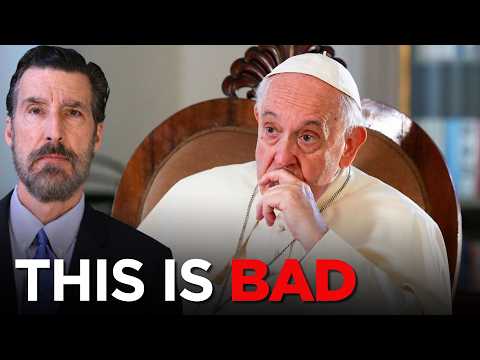
The passing of Pope Francis has sparked discussions about the evolving relationship between Protestant and Catholic churches. This blog explores the historical context, theological differences, and the implications of recent events on interfaith dialogue.
Pope Francis, the head of the Catholic Church and sovereign of the Vatican City State, has passed away. His death marks a significant moment for the 1.3 billion Catholics around the world and has prompted a reevaluation of the relationship between Protestant and Catholic churches.
Historically, the Protestant church has viewed the papacy as antichrist. This perspective has been rooted in the Reformation, where figures like Martin Luther and John Calvin criticized the authority of the pope and the practices of the Catholic Church. However, in a surprising turn of events, many Protestant churches have lowered their flags to half-staff in honor of the deceased pope, indicating a shift in attitudes towards the papacy.
This change does not reflect a shift in Roman Catholic dogma but rather an evolving evangelical acceptance of Catholicism as another Christian option. Despite this, it is essential to recognize that evangelicals and Catholics still hold significant theological differences.
In a recent discussion featuring Tim Chalies and Leonardo Durico, the topic of the papacy was critically examined. They presented arguments against the notion that Peter was the first pope, highlighting several key points:
Misinterpretation of Scripture: The assertion that Jesus appointed Peter as the first pope is based on a misinterpretation of biblical texts. For instance, the term "Petrus" (meaning pebble) contrasts with the feminine term for rock, suggesting that the foundation of the church is not Peter himself but rather his confession of faith.
Historical Evidence: The history of the papacy is marred by instances of corruption and violence. Figures like Pope Stephen IV and Pope John XII exemplify the moral failings associated with the office, raising questions about its legitimacy as a divinely appointed role.
Indulgences and Works Righteousness: The practice of indulgences, which allows believers to reduce their punishment in purgatory through good works, contradicts the doctrine of justification by faith alone. This system, while not as overtly commercialized today, still exists within Catholic doctrine.
Indulgences are defined by the Catholic Church as a remission of temporal punishment due to sins whose guilt has already been forgiven. This practice relies on the concept of the "treasury of merit," where the excess righteousness of Christ, Mary, and the saints can be applied to believers. The implications of this doctrine are profound, as it suggests that Christ's sacrifice alone is insufficient for salvation, necessitating additional works to achieve forgiveness.
The upcoming year of 2025 has been declared a year of jubilee by the Catholic Church, which will see an increase in the availability of indulgences. This announcement is expected to draw millions to Rome, where various acts of penance can be performed to earn indulgences, further emphasizing the ongoing relevance of this practice in Catholic life.
A significant claim made by the Catholic Church is that the pope is the successor of Peter, forming an unbroken chain of apostolic succession. However, this assertion lacks biblical support. The Apostle Paul, in his letter to the Romans, does not mention Peter, indicating that the church in Rome was founded by unnamed Christians rather than by Peter or Paul.
The idea of apostolic succession as articulated by early church fathers like Irenaeus emerged long after the apostolic age, suggesting that the Catholic Church's claims are not rooted in early Christian teachings. The mechanisms of succession resemble political systems rather than the biblical model of church leadership, which emphasizes the Holy Spirit's role in appointing leaders.
For those engaging with Roman Catholics, it is crucial to approach discussions with grace and truth. While it is valid to critique Catholic dogma, it may be more effective to present the beauty of the gospel message. Emphasizing salvation by grace alone, through faith alone, in Christ alone can provide a compelling alternative to the works-based system of Catholicism.
The message of the gospel offers a relationship with Jesus Christ that transcends religious rituals and the burdens of works righteousness. It invites individuals to rest in the finished work of Christ, assuring them of forgiveness and eternal life.
The death of Pope Francis has opened a dialogue about the relationship between Protestant and Catholic churches, highlighting both historical tensions and potential pathways for unity. As believers navigate these discussions, focusing on the core truths of the gospel can foster understanding and encourage a deeper exploration of faith. The invitation remains: to embrace the grace offered through Jesus Christ, which liberates from the burdens of religious obligation and offers true peace and joy in faith.



















