
This blog post explores a heated debate on the concept of fine-tuning in creation, the implications of natural disasters, and the role of divine intention. The discussion highlights contrasting views on whether the existence of chaos and suffering in the world undermines the argument for a benevolent Creator. Through a series of logical exchanges, the participants grapple with the consequences of human actions and divine decisions, ultimately questioning the nature of God and the reality of a 'c
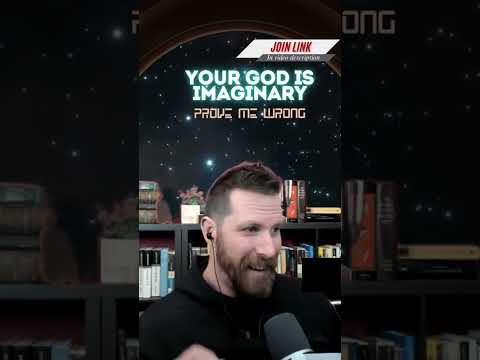
In a recent discussion, two individuals engaged in a fiery exchange regarding the concept of fine-tuning in creation and the implications of natural disasters. This debate delved into whether the existence of chaos and suffering in the world undermines the argument for a benevolent Creator. The conversation was marked by a series of logical exchanges that highlighted contrasting views on divine intention and human responsibility.
The discussion began with the assertion that fine-tuning in the universe indicates a Creator with intention. One participant firmly stated that the Creator designed the Earth and mankind with purpose, suggesting that this design is evidence of a benevolent deity. However, the opposing view challenged this notion by pointing out the chaotic and often destructive nature of the world.
The counterargument presented was compelling: if the Earth was indeed created with perfect intent, why is it that 97% of the water on Earth is poisonous? Why do children suffer from diseases like bone cancer? The participant argued that the world appears to be constantly trying to execute its inhabitants, which raises questions about the nature of the Creator's intentions. If the Earth was designed with good intentions, the evidence suggests otherwise.
As the debate progressed, the concept of sin was introduced as a pivotal factor in understanding the chaos present in the world. One participant argued that the destruction of perfection was a result of human actions, specifically referencing the biblical narrative of Adam and Eve. According to this view, humanity was given dominion over the Earth, and through their choices, they have led to its degradation.
To illustrate this point, an analogy was made comparing the Earth to a clock. If a clock is designed to work perfectly but is manipulated incorrectly, it may still function but not as intended. The argument posited that while the clock (the Earth) was created perfectly, human actions have led to its malfunction. However, this analogy was met with skepticism, as the opposing participant questioned the validity of claiming that the clock was ever perfect.
The conversation then shifted to the consequences of sin as described in scripture. One participant maintained that God cursed the Earth as a result of humanity's fall, leading to natural disasters and suffering. This perspective suggests that the chaos we observe is a direct consequence of human actions and decisions.
A critical point of contention arose regarding whether God had to impose these specific consequences. The opposing view argued that if God is omnipotent, He could have chosen different consequences for sin. This led to a deeper inquiry into the nature of God’s intentions and whether the suffering caused by natural disasters is necessary or a product of divine choice.
Throughout the debate, a logical progression was established: 1) mankind sinned, 2) God decided the consequences of that sin, and 3) those consequences include natural disasters that cause suffering. The crux of the argument hinged on whether this suffering is necessary and if it reflects poorly on the nature of a benevolent Creator.
The final point of contention was whether the suffering caused by natural disasters is necessary. One participant argued that since God has the capability to create a world without such disasters, the existence of suffering indicates a decision made by God, thus questioning the nature of His benevolence.
The debate on fine-tuning and the existence of natural disasters raises profound questions about the nature of God, human agency, and the reality of suffering in the world. While one side argues for a benevolent Creator who designed the universe with intention, the other side presents a compelling case that the chaos and suffering we observe challenge this notion. Ultimately, this exchange highlights the complexities of faith, belief, and the interpretation of divine intention in the face of human actions.



















