
The Deepwater Horizon disaster on April 20, 2010, resulted in the deaths of 11 workers and triggered the largest oil spill in U.S. history. This blog post explores the technical failures, particularly of the blowout preventer, that led to this catastrophic event, highlighting the complexities of offshore drilling and the critical safety measures that failed.
On April 20, 2010, the offshore drilling rig Deepwater Horizon experienced a catastrophic explosion that resulted in the deaths of 11 workers and serious injuries to 17 others. Located approximately 50 miles off the coast of Louisiana, the rig burned for two days before sinking, leading to the largest oil spill in U.S. history. This incident not only caused immense environmental damage but also raised significant concerns about safety protocols in offshore drilling operations.
The Deepwater Horizon was drilling an oil well in the Macondo prospect, situated in 5,000 feet of water in the Gulf of Mexico. Following the explosion, the Chemical Safety Board (CSB) launched an investigation to examine the technical, organizational, and regulatory factors that contributed to the disaster. The investigation revealed critical failures in safety equipment, particularly the blowout preventer (BOP), which is designed to seal the well in emergencies.
Drilling an offshore well involves creating a pathway between the drilling rig and the oil and gas reservoirs beneath the seafloor. This process requires drilling through layers of rock and sediment, which can contain pressurized crude oil and natural gas. An unplanned influx of these fluids into the wellbore, known as a "kick," can lead to a blowout—an uncontrolled release of flammable oil and gas that poses severe risks to the drilling crew and the environment.
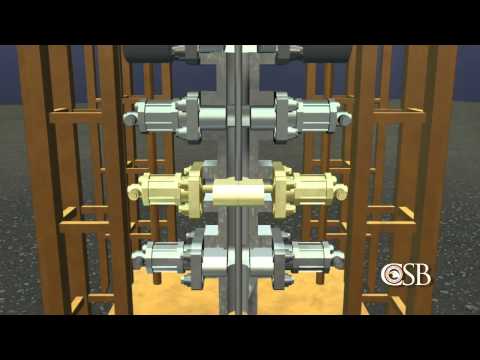
To prevent kicks, drillers pump a dense slurry called drilling mud into the well, creating a barrier against the undersea oil and gas. If this barrier fails, the safety of the crew relies on the blowout preventer, a complex device located on the seafloor. The BOP is connected to the rig via a large pipe called a riser and is designed to seal the well and prevent hydrocarbons from traveling up the riser to the rig.
The BOP operates using various mechanisms:
At approximately 8:45 p.m. on April 20, 2010, a kick occurred in the Macondo well, allowing oil and gas to enter the wellbore undetected. This fluid eventually traveled up the riser towards the Deepwater Horizon. Crew members attempted to respond by closing the upper annular preventer, but it failed to seal the well effectively. Subsequently, they closed a pipe ram, which temporarily sealed the well, but oil and gas that had already risen above the pipe ram continued to flow toward the rig.
At around 9:49 p.m., the hydrocarbons found an ignition source, leading to the first explosions on the rig. The pressure dynamics within the well became critical; while the pressure in the annular space above the pipe ram dropped, the pressure in the drill pipe increased significantly. This pressure differential caused the drill pipe to buckle, pushing sections outside the reach of the blind shear ram blades.
The CSB's investigation revealed that the BOP's automated emergency systems, known as the AMF Deadman system, were compromised. This system is designed to activate when electrical power and hydraulic pressure from the rig are lost. The BOP had two redundant control systems, the yellow pod and the blue pod, which were supposed to enhance reliability.
However, the blue pod had been miswired prior to deployment, draining its 27-volt battery and rendering it inoperable. The yellow pod also had issues; its solenoid valve was miswired, preventing it from functioning correctly. A failure of one of the 9-volt batteries in the yellow pod inadvertently allowed the solenoid valve to open, which initiated the closure of the blind shear ram. Unfortunately, due to the buckled drill pipe, the ram could only partially cut the pipe, failing to seal the well.
The failure of the blind shear ram to effectively seal the well resulted in a catastrophic oil spill that lasted for 87 days, releasing an estimated 5 million barrels of oil into the Gulf of Mexico. This incident is regarded as one of the worst environmental disasters in U.S. history, with devastating effects on marine life and coastal ecosystems.
The Deepwater Horizon disaster serves as a stark reminder of the complexities and dangers associated with offshore drilling. The investigation by the CSB highlighted critical failures in safety equipment and protocols, particularly the blowout preventer, which ultimately led to the catastrophic events of April 20, 2010. As the industry continues to evolve, it is essential to learn from these failures to enhance safety measures and prevent future disasters.



















