
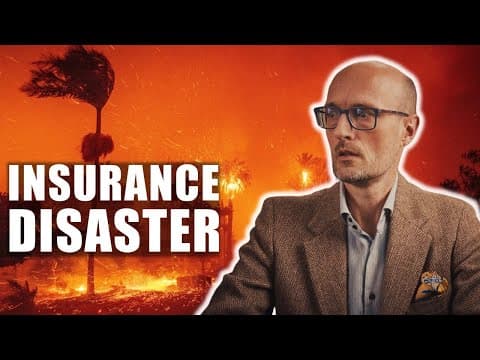
The Los Angeles wildfires have caused unprecedented destruction, leading to significant economic impacts, including massive insurance losses, infrastructure damage, and a housing crisis. The fires, exacerbated by climate conditions and historical fire management policies, are projected to cost up to $275 billion, affecting not just California but potentially raising insurance costs globally.
On January 2nd, the National Interagency Fire Center issued a warning about significant fire potential across Southern California. This warning was attributed to warm weather, persistently dry conditions, and the infamous Santa Ana winds, which are notorious for fueling some of the worst wildfires in California's history. These winds, originating from the Great Basin and upper Mojave Desert, dry out vegetation, making it highly flammable and capable of turning small fires into raging infernos.
The two largest fires currently affecting the region, the Palisades fire and the Eaton fire, are among the most destructive in California's history. They have resulted in at least 27 fatalities, forced over 200,000 evacuations, and destroyed or damaged more than 12,000 structures. Over 880,000 people remain under evacuation orders, many uncertain about the fate of their homes and possessions. The area burned is equivalent to three times the size of Manhattan, leaving neighborhoods resembling a war zone.
California has a long history of wildfires, with the earliest recorded incident being the Santiago Canyon fire of 1889. Wildfires can be ignited by natural causes, such as lightning strikes, or human activities, including downed power lines and careless actions. The increasing number of residents living in wooded areas has heightened the risk of wildfires, as their activities can inadvertently spark fires.
Daniel Swain from UCLA highlights a phenomenon known as hydroclimate whiplash, where two wet years are followed by a dry one. This cycle has contributed to the current wildfire crisis, as the lush vegetation from wet years has dried out, making it susceptible to ignition. Additionally, a century of fire suppression has led to an accumulation of vegetation, resulting in more intense fires when they do occur.
Efforts to manage these risks through controlled burns and vegetation thinning have been hampered by lengthy environmental reviews, which can take years to complete. While some blame these policies for the current fires, experts like Luca Carani from San Diego State University argue that the areas currently burning are not typically suited for controlled burns.
The economic toll of the Los Angeles wildfires is staggering. Estimates suggest that they may become the most expensive wildfires in U.S. history, with potential costs reaching $275 billion. This figure is comparable to the damages caused by major hurricanes, such as Hurricane Katrina and Hurricane Harvey.
The insurance industry is bracing for significant losses, with estimates suggesting that insurers could face up to $40 billion in claims. The destruction of high-value homes, particularly in affluent areas like Pacific Palisades, complicates the situation. Many homes are underinsured due to the withdrawal of major insurers from the market, leaving homeowners vulnerable.
Beyond housing, the wildfires have damaged critical infrastructure, including roads, power lines, and schools. The impact on employment is also significant, with thousands of jobs at risk as evacuees are unable to work. Goldman Sachs estimates that the fires could result in a loss of 15,000 to 25,000 jobs in the state.
The destruction of homes exacerbates California's already high housing costs. As displaced residents seek rental properties, demand will drive prices up, further straining the housing market. The fires have also highlighted the challenges of modifying older homes built during the postwar building boom, as planning rules hinder new construction.
As investigations into the causes of the fires continue, lawsuits have already been filed against Southern California Edison, with claims that their equipment may have sparked the Eaton fire. California's inverse condemnation law holds utilities liable for damages caused by their equipment, regardless of negligence, creating a challenging legal landscape for utility companies.
California's homeowners insurance crisis has been exacerbated by Proposition 103, which limits how much insurers can raise rates. This has led to a significant number of homeowners being uninsured or underinsured. The California FAIR Plan, a state-backed insurance program, has seen a surge in demand, but it caps coverage at $3 million, leaving many high-value homes inadequately protected.
On January 8th, the President declared the LA wildfires a major disaster, unlocking federal aid for immediate needs. However, long-term aid remains uncertain. As insurance costs rise due to increased risk and losses, consumers across the country may feel the financial impact.
The Los Angeles wildfires serve as a stark reminder of the growing risks associated with climate change and the complexities of managing fire-prone landscapes. As California grapples with the aftermath, the economic repercussions will likely resonate far beyond the state, affecting insurance markets and housing costs nationwide. The need for effective fire management policies and a reevaluation of insurance regulations has never been more critical.



















