
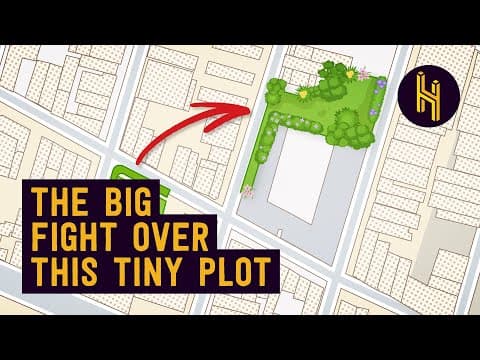
The Elizabeth Street Garden in Manhattan is at the center of a heated debate over its future as a public park versus a site for affordable housing. This blog explores the history, community impact, and the ongoing conflict surrounding this controversial lot, highlighting the perspectives of both sides and the implications for urban development in New York City.
Welcome to the Elizabeth Street Garden, a small yet vibrant park nestled in downtown Manhattan. This seemingly tranquil space is not just a haven for flowers and birds; it is also the epicenter of one of New York City's most contentious urban disputes. For over a decade, the future of this garden has been debated, with passionate arguments on both sides regarding whether it should remain a public park or be transformed into a building site for affordable housing.
The land that now houses the Elizabeth Street Garden was originally a school until its demolition in the 1970s. Plans were made to develop the site into Section 8 affordable housing, but only the southern half of the lot was ever developed. The northern half remained vacant, becoming overgrown and littered with debris. In a twist of fate, Alan Ryver acquired a month-to-month lease for the lot, paying $4,000 a month. He transformed the neglected space into a community garden filled with quirky art pieces and opened it to the public through his gallery next door.
The conflict escalated in 2012 when the Bloomberg administration transferred ownership of the lot from the Board of Education to the Housing Authority, marking the first step towards developing affordable housing on the northern half. In response, Ryver and supporters of the garden formed the Friends of the Elizabeth Street Garden, a group dedicated to maintaining the garden and hosting community events. They aimed to increase public access and awareness of the garden's value.
In 2016, the city issued a request for proposals to build affordable senior housing on the site, ultimately awarding the project to a coalition proposing Haven Green. This development would consist of seven floors with 123 studio apartments, with 72 units priced at or below $850 per month, targeting individuals earning 30% of the area’s median income (AMI). The remaining units would cater to those earning up to 60% of the AMI, with 37 units reserved for formerly homeless residents. The project also included retail spaces and office space for Habitat for Humanity NYC, but it would significantly reduce the green space currently offered by the garden.
The debate over the garden versus housing has divided the community and even mayoral candidates. Prominent figures such as Michael Blake, Scott Stringer, and Andrew Cuomo have voiced support for preserving the garden, while Zoron Mdami, the eventual Democratic nominee, has backed the housing project. The garden advocates argue that the park provides essential green space in a neighborhood that has only three square feet of open space per resident, one of the lowest ratios in the city. They emphasize the importance of maintaining green spaces, noting that once lost, they are rarely replaced.
Proponents of the Elizabeth Street Garden highlight its role as a community hub, hosting movie nights, yoga classes, and social gatherings. They argue that the garden offers an invaluable, intangible benefit to the neighborhood, which is already facing a severe lack of green space. Additionally, they point out that there are alternative sites in the area where affordable housing could be developed without sacrificing the garden. They also raise concerns about the Haven Green project, questioning its commitment to LGBTQ residents and the adequacy of its affordable housing provisions.
On the other side of the debate, supporters of Haven Green argue that New York City is in the midst of a housing crisis, with average rents soaring to $4,000 for a studio apartment. They contend that the city should not have to choose between the garden and affordable housing; rather, it should pursue both options. The proponents emphasize that the current housing shortage is dire, with over 200,000 seniors on waiting lists for affordable apartments. They argue that while the garden is valuable, the pressing need for affordable housing cannot be ignored.
As of now, the future of the Elizabeth Street Garden remains uncertain. Despite initial support for the Haven Green project, the administration of Mayor Eric Adams has shifted its stance, canceling the development in favor of exploring other sites for affordable housing. This decision has temporarily safeguarded the garden, but advocates are actively pursuing permanent protection through various means, including potential legal actions under the Visual Artists Rights Act (VARA), which could classify the garden as a work of art deserving of protection.
The Elizabeth Street Garden stands as a symbol of the broader struggle between the need for green spaces and the urgent demand for affordable housing in urban environments. While the garden has secured a temporary victory, the battle is far from over. As the city continues to grapple with its housing crisis, the fate of this beloved garden will likely remain a contentious issue, reflecting the complexities of urban development and community needs in New York City.



















