
The Galapagos Islands, known for their unique biodiversity and historical significance in the study of evolution, are a vital natural laboratory both above and below the water. This blog explores their geological features, ecological importance, and conservation efforts amidst growing human pressures.
The Galapagos Islands, often referred to as the enchanted islands, are a remarkable group of islands located in the Pacific Ocean, approximately 1,000 kilometers off the coast of Ecuador. These islands have profoundly influenced how we understand the planet and the forces that shape it.
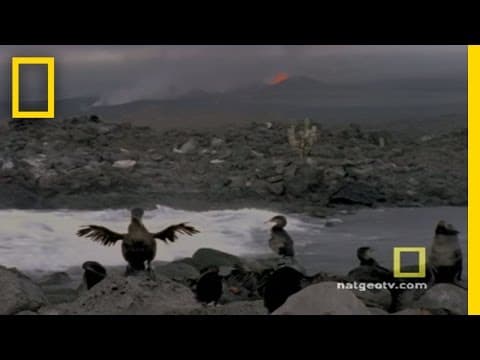
In 1835, a young Charles Darwin visited the Galapagos and was captivated by the unique creatures he encountered. He observed giant tortoises, flightless cormorants, and iguanas coexisting with fur seals and penguins, all thriving right on the equator. This visit became a pivotal moment in his studies, serving as a living laboratory for his theories on the origins of life.
While Darwin focused on the terrestrial life, he did not witness the wonders of the Galapagos underwater. Aerial views reveal 19 major islands and numerous rocky islets, but beneath the surface lies a submerged archipelago of undersea mountains that stretches for hundreds of miles. This underwater realm is home to a vibrant array of plants and animals, many of which are endemic to the region.
In 1977, scientists made a groundbreaking discovery northeast of the Galapagos Islands at a depth of about 2,000 meters. They found hydrothermal vents connected to the Earth's core, which provided new insights into geological processes. These vents support a unique food chain that does not rely on solar energy but instead on chemical energy derived from the Earth's interior, specifically hydrogen sulfide. Microbes thrive in the warm, mineral-rich waters, forming the foundation of a complex ecosystem that includes various previously unknown species.
When Darwin arrived, the Galapagos were uninhabited, but whalers and pirates had already begun to deplete the tortoise populations and other wildlife. By the 1960s, a few thousand settlers had established homes on the islands, prompting efforts to protect the unique natural environment. Today, the Galapagos Islands and their surrounding waters are recognized as UNESCO World Heritage Sites, with 97% of the land above sea level designated as a national park.
In 1998, a portion of the surrounding sea was also designated as a marine reserve. However, the islands face significant challenges due to the pressures of approximately 30,000 residents and over 100,000 annual visitors, alongside an international market for marine wildlife. These factors pose threats to the delicate ecosystems and the indigenous species that inhabit the islands.
Despite the challenges, there remains an opportunity to glimpse the past and envision a sustainable future. The Galapagos Islands serve as a reminder of the importance of conservation and the need for humans to coexist harmoniously with nature. By prioritizing the protection of these unique ecosystems, we can ensure that the natural world continues to thrive, ultimately benefiting both the environment and humanity.



















