
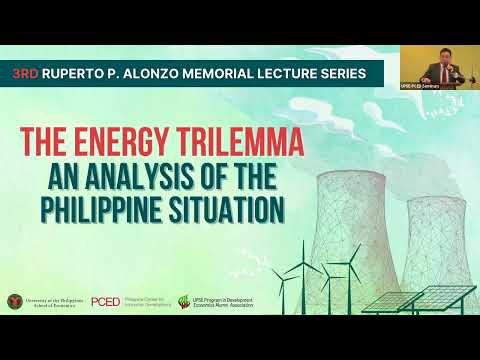
The third Roberto Alonso Memorial Lecture focused on the Philippine energy trilemma, addressing the challenges of energy security, equity, and sustainability. Key speakers discussed the historical context of energy policies, the current reliance on fossil fuels, and the potential for renewable energy and nuclear power to reshape the energy landscape in the Philippines.
The third Roberto Alonso Memorial Lecture, held at the University of the Philippines, focused on the pressing issues surrounding the Philippine energy sector, encapsulated in the concept of the energy trilemma: energy security, equity, and sustainability. The event featured prominent figures in the energy sector, including Attorney Jose J. Log Jr., who introduced the lecture, and Mr. Albert Theong, the main presenter, who shared insights from his extensive experience in energy planning and policy formulation.
The energy trilemma framework seeks to balance three critical goals:
Historically, the Philippines has faced challenges in achieving these goals, particularly in the context of rising energy demands and fluctuating global energy prices.
The first oil shock in 1973 prompted the Philippine government to nationalize power generation and establish the Philippine National Oil Company (PNOC) to develop indigenous energy sources, including geothermal energy. By the mid-1980s, renewable energy sources accounted for over 50% of the energy mix.
However, political upheaval in the late 1980s led to a decline in structured energy policies, resulting in a significant shift towards coal as the primary energy source. This transition has continued, with coal dominating the energy mix despite the introduction of the Renewable Energy Act in 2008.
Today, the Philippine energy sector is heavily reliant on fossil fuels, with approximately 65% of energy sourced from coal and natural gas. This dependence raises concerns about energy security, particularly given the volatility of global fossil fuel prices.
While there has been a push for renewable energy, particularly solar and wind, the actual contribution to the energy mix remains limited. The capacity factors for solar (around 15%) and wind (35-40%) mean that these sources cannot yet provide reliable baseload power, necessitating backup from fossil fuels.
Congressman Mark Cojuangco highlighted the potential of nuclear energy as a viable solution to the Philippines' energy challenges. Nuclear power offers a high energy density, significantly reducing the volume of fuel required compared to fossil fuels. For instance, a small nuclear pellet can produce energy equivalent to over a ton of coal.
Despite its advantages, nuclear energy faces public skepticism due to safety concerns and historical context. However, proponents argue that with proper regulation and investment in human resources, nuclear power can play a crucial role in achieving energy security and sustainability in the Philippines.
The discussion emphasized the need for a comprehensive energy plan that integrates various energy sources, including renewables, nuclear, and fossil fuels. This plan should address the current overcapacity of baseload power plants and the need for a more flexible and distributed energy system.
To realize the potential of nuclear and renewable energy, significant investment and supportive policies are required. The government must facilitate the development of infrastructure and provide incentives for private sector participation in energy projects.
The third Roberto Alonso Memorial Lecture underscored the complexities of the Philippine energy landscape and the urgent need for innovative solutions to the energy trilemma. As the country navigates its energy future, collaboration among government, industry, and academia will be essential to ensure a secure, equitable, and sustainable energy supply for all Filipinos.



















