
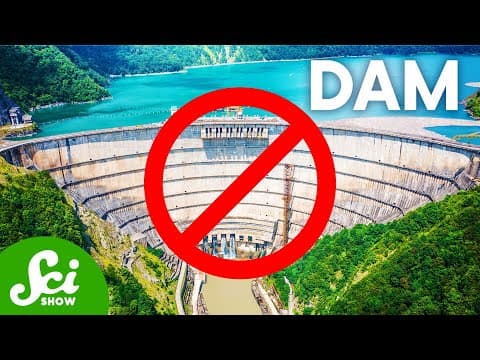
Dams have historically provided benefits such as flood control and hydroelectric power, but they also cause significant environmental harm. The removal of dams can restore ecosystems, improve water quality, and support fish populations, as demonstrated by successful projects like the Klamath River and Sélune River.
Dams have been a part of human civilization for thousands of years, dating back to ancient Mesopotamia. They have played a crucial role in powering machinery, controlling flooding, and storing water. However, the environmental consequences of dams are severe and often overlooked. This article explores the detrimental effects of dams on ecosystems and highlights the benefits of dam removal.
Globally, there are over 16 million dams, with many being less than 10 meters tall. These structures serve various purposes, from powering water wheels to providing water for irrigation and drinking. Large modern dams are significant sources of renewable energy through hydroelectric power. However, many older dams no longer fulfill their original functions, particularly in Europe, where approximately 150,000 dams are now obsolete.
The construction of a dam alters a river's ecosystem dramatically. It transforms a fast-flowing river into a stagnant lake, which leads to several environmental issues:
Fish species like salmon are particularly affected, as they transport nutrients from the ocean to inland ecosystems, benefiting both aquatic and terrestrial life.
One of the most significant examples of dam removal is the Klamath River, which flows from southern Oregon into Northern California. Once the third-largest salmon-producing river on the U.S. West Coast, the Klamath has been obstructed by six hydroelectric dams for over a century. This blockage has led to a dramatic decline in fish populations, with numbers falling by over 90%.
The Indigenous Yurok people have long advocated for the removal of these dams, emphasizing the need to restore their river. Their efforts culminated in the removal of four of the six dams, marking the largest dam removal project in history. The restoration process has been led by Indigenous communities, who have replanted native species to stabilize the land and restore the ecosystem.
Forecasts suggest that salmon populations in the Klamath could recover by 81% over the next 40 years, based on successful outcomes from similar projects.
In Normandy, France, the Sélune River faced similar challenges due to two large dams built in the early 20th century. These dams trapped sediment and nutrients, leading to excessive algae growth and low oxygen levels in the water. In 2019, the largest dam removal project in Europe began, aiming to restore the river's health.
Scientists are monitoring the Sélune River until at least 2027 to assess the ecological response. Early observations indicate that nutrient levels are rebounding, and sediment in the downstream water has increased, which can lead to erosion but is essential for restoring the river's natural flow.
The Milltown Dam, located near Missoula, Montana, provides another compelling case for dam removal. Completed in 1907, the dam became a repository for contaminated sediment from mining runoff, which included heavy metals like arsenic. This contamination posed significant health risks to local residents.
In 2006, efforts began to dismantle the dam and clean up the toxic sediment. The process involved diverting the river, removing the contaminated sediment, and then dismantling the dam. The successful restoration of the site has led to the establishment of Milltown State Park, demonstrating that careful dam removal can lead to positive outcomes for both the environment and the community.
As of 2019, approximately 1,700 dams have been removed in the United States and 4,900 in Europe. These examples illustrate that, when executed thoughtfully, dam removal can restore ecosystems, rectify the problems caused by dams, and create valuable recreational spaces for communities. While dams have historically provided benefits, it is clear that sometimes the best course of action is to remove them for the greater ecological good.



















