
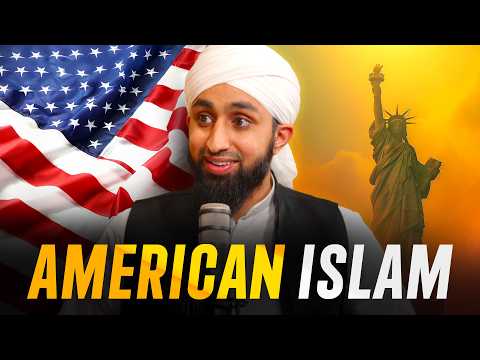
Mufti Abdul Wahab Waheed discusses the future of Islam in the West, emphasizing the importance of effective dawa, the role of community, and the need for a supportive environment to foster a genuine interest in the faith. He highlights the significance of leadership, the impact of personal examples, and the necessity of creating an inviting atmosphere for both Muslims and non-Muslims.
In a recent podcast, Mufti Abdul Wahab Waheed shared his thoughts on the future of Islam in America and the West. He emphasized the importance of dawa (inviting others to Islam) and how individuals can contribute to this mission, regardless of their background or appearance. This blog post summarizes his key insights and reflections on the role of community, leadership, and the environment in fostering a vibrant Islamic presence in the West.
Mufti Waheed began by discussing the concept of dawa and its significance in the Western context. He noted that many people feel uncertain about how to represent their faith in a predominantly non-Muslim society. He emphasized that giving time, energy, and talent to dawa is crucial for achieving meaningful results. Treating dawa as a side hustle will yield side hustle results; thus, a committed approach is necessary.
Dawa is not merely about preaching; it involves creating an appetite for learning about Islam. Mufti Waheed highlighted the importance of making the first experience of Islam positive, as this can significantly influence a person's willingness to learn more. He pointed out that many successful movements in history have thrived by generating interest and engagement among the community.
One of the key points Mufti Waheed made was about the relationship between leadership and followership. He stated that the first condition of being a leader is to learn how to be a follower. This principle is essential for anyone aspiring to lead in the context of dawa. Leaders must be grounded in their understanding of the faith and be willing to learn from others.
Mufti Waheed emphasized the role of community in fostering a supportive environment for dawa. He shared his experiences with various organizations and events that aim to build interest in learning about Islam. By creating spaces where people feel welcomed and valued, the community can cultivate a genuine desire to learn and grow in their faith.
A significant aspect of Mufti Waheed's discussion was the need to normalize Islam in the Western context. He shared an anecdote about a personal experience where he encountered individuals who greeted him with "assalam alaykum" in a predominantly non-Muslim area. This normalization of Islamic greetings and practices helps to break down barriers and fosters understanding among diverse communities.
Mufti Waheed also spoke about the influence of prominent figures in the Muslim community, such as athletes and public personalities, who have successfully normalized Islam through their visibility and actions. He cited the example of Khabib Nurmagomedov, a UFC champion, who openly attributes his success to Allah and represents Islamic values in a public forum. Such figures can inspire others and create a more accepting environment for Islam.
To instill a desire for learning about Islam among young Muslims, Mufti Waheed suggested a two-step approach:
Mufti Waheed stressed that spiritual growth is essential for effective dawa. He noted that individuals must first nurture their own relationship with Allah before they can effectively share their faith with others. This personal growth allows individuals to approach dawa with sincerity and empathy, making their efforts more impactful.
In conclusion, Mufti Abdul Wahab Waheed's insights into the future of Islam in America and the West highlight the importance of effective dawa, community support, and personal growth. By fostering an environment that encourages learning and engagement, Muslims can contribute to a more vibrant and understanding society. The journey of dawa is not just about numbers; it is about building genuine connections and nurturing a love for the faith that transcends cultural barriers.



















