
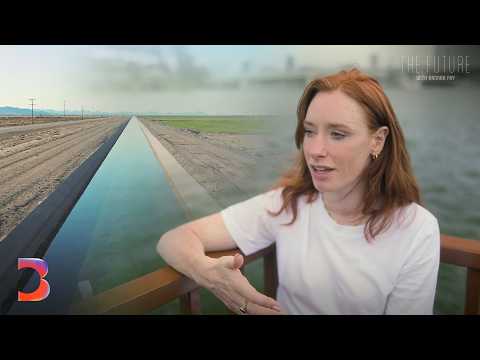
The world's water crisis is escalating due to climate change, population growth, and mismanagement. Innovative solutions, such as sustainable water management and advanced purification technologies, are being implemented in regions like Northern Kenya and Singapore. However, the need for a fundamental shift in how we value and manage water resources is critical to prevent future conflicts and ensure water security for all.
Water scarcity is becoming a pressing issue worldwide, with projections indicating that by 2025, half of the global population will face water shortages. This crisis is exacerbated by climate change, population growth, and mismanagement of water resources. In this blog post, we will explore the challenges posed by the water crisis and highlight innovative solutions being implemented in various regions.
In Northern Kenya, the once lush forests have transformed into arid deserts over the past 60 years, primarily due to drought and climate change. The nomadic tribes in this region, such as the people of Takana, are on the front lines of this battle for water. Their traditional pastoral lifestyle, reliant on rain for pasture, is increasingly threatened by erratic weather patterns and prolonged droughts.
Earth's water is part of a continuous cycle, where every drop is recycled through evaporation, precipitation, and infiltration into aquifers. However, with a growing population of 8 billion, human activities are disrupting this cycle. We are extracting water from rivers and aquifers at unsustainable rates, leading to significant environmental changes, including the shifting of the Earth's rotational axis.
The consequences of water scarcity are dire. In regions like Northern Kenya, violent clashes over water and pasture have become common, resulting in loss of life and increased tension within communities. Women and girls bear the brunt of this crisis, often traveling long distances to fetch water, sometimes risking their lives in the process.
Organizations like Practical Action are working to address these challenges by providing sustainable water solutions. They have implemented solar-powered water storage systems that draw from underground aquifers, allowing communities to cultivate crops and improve their livelihoods. This shift not only empowers women but also enhances food security in the region.
As water scarcity intensifies, it is increasingly recognized as a national security threat. Darnish Massud Alivi, a peace and security technologist, emphasizes that water deprivation can lead to social unrest and conflict. For instance, in the Tigris-Euphrates Basin, upstream damming by Turkey has caused significant downstream consequences in Iraq, leading to unrest due to water shortages.
To better understand and predict water scarcity, scientists are utilizing data from NASA's Grace Mission. This technology tracks changes in gravitational pull caused by water saturation, allowing for the creation of maps that illustrate water depletion over time. By correlating this data with social unrest, authorities can better prepare for potential conflicts arising from water scarcity.
Even in developed cities like London, water management is becoming increasingly complex. The city's aging infrastructure struggles to cope with extreme weather patterns, leading to flash floods and potential droughts. Dr. Anna Mi, an expert in water infrastructure, highlights that London's water supply system, built for a different era, is now under significant stress due to changing rainfall patterns.
Singapore's experience with water scarcity serves as a valuable lesson. After facing a severe water crisis over 60 years ago, the country prioritized water security and developed innovative solutions. The National Water Agency has implemented a comprehensive water recycling program, treating wastewater and returning it to the system. This approach has allowed Singapore to meet 40% of its water needs through reclaimed water, with plans to increase this to over half by 2060.
The future of the world's water supply is uncertain, with challenges of both scarcity and excess. While technology can help us manage and conserve water, a fundamental shift in how we value this precious resource is essential. Water should be recognized not just as an environmental concern but as a critical issue of national security and human survival.
As we face the realities of a changing climate and growing populations, it is imperative that we learn from regions like Singapore and Northern Kenya. By adopting sustainable practices and fostering a deeper appreciation for water, we can work towards a future where access to clean water is guaranteed for all, preventing conflicts and ensuring the well-being of communities worldwide.



















