
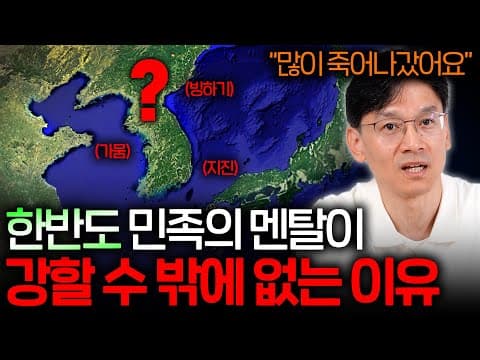
This article explores the complex climate history of the Korean Peninsula, focusing on significant famines caused by volcanic eruptions and solar activity, and how these events influenced historical decisions and societal changes in Korea.
The climate history of the Korean Peninsula is marked by significant events that have shaped its society and governance. This article delves into the impact of natural disasters, particularly famines caused by volcanic eruptions and changes in solar activity, on the historical trajectory of Korea.
The Gyeongsin Famine, which lasted for two years, was a significant event in Korean history. It was followed by the Eulbyeong Famine, which persisted for five years. This prolonged famine was attributed to volcanic eruptions, particularly during the time of the Denmei Famine in Japan, which is considered one of the most devastating famines in Japanese history.
During these periods, the Korean Peninsula experienced a decrease in rainfall, leading to severe food shortages. Historical records suggest that King Jangsu of Goguryeo made the critical decision to move the capital from Guknae-seong to Pyongyang, likely influenced by climate changes and food supply issues.
The geological history of Earth is divided into several eras, including the Mesozoic and Cenozoic. The Cenozoic Era is further divided into the Tertiary and Quaternary periods, with the Quaternary encompassing the last 2.58 million years. Within this period, there have been numerous interglacial and glacial phases, significantly affecting global climates.
The current epoch, known as the Holocene, began approximately 11,700 years ago. It is characterized by a relatively stable climate, which has allowed human civilizations to flourish. However, within the Holocene, there have been fluctuations in temperature and precipitation, leading to various warm and cold periods.
Volcanic eruptions have played a crucial role in altering climate conditions. When a volcano erupts, it releases ash and gases into the atmosphere, which can block sunlight and lead to a drop in temperatures. This phenomenon was evident during the Gyeongsin and Eulbyeong famines, where volcanic activity coincided with significant drops in temperature and subsequent crop failures.
Solar cycles, particularly the number of sunspots, also influence climate. A decrease in sunspots can lead to reduced solar radiation, contributing to cooler temperatures. The Gyeongsin and Eulbyeong famines occurred during periods of low solar activity, known as the Maunder Minimum, which further exacerbated the climate crisis.
The responses of Korean kings to these climate challenges varied. For instance, King Hyeonjong implemented policies to prepare for future famines after experiencing the Gyeongsin Famine. In contrast, King Jeongjo, despite facing the devastating effects of the Tambora eruption in 1815, managed to maintain stability in his kingdom, possibly due to the lessons learned from previous famines.
The famines led to significant social unrest, including uprisings such as the Hong Gyeong-rae Rebellion, which was fueled by food shortages and social inequality. The connection between climate change and social stability is evident in these historical events.
The climate history of the Korean Peninsula is a testament to the profound impact of natural disasters on human society. Understanding these historical events provides valuable insights into how climate change can influence governance, social structures, and the resilience of civilizations. As we face contemporary climate challenges, reflecting on the past can guide us in developing strategies to mitigate future impacts.



















