
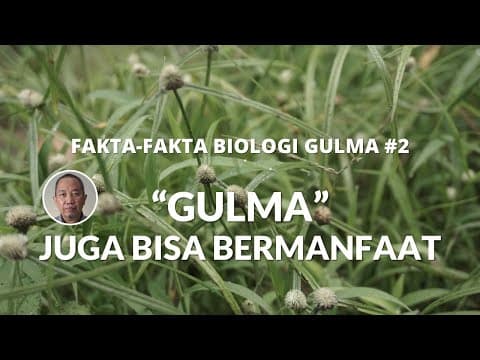
This article explores the dual nature of invasive weeds, particularly focusing on the Siam weed, highlighting both their detrimental effects on agriculture and their potential benefits for ecosystems and soil health.
Weeds, often dismissed as mere nuisances, are actually a diverse group of plants that can thrive in various environments. While many people regard them as pests, this article aims to shed light on the beneficial aspects of these plants, particularly focusing on the Siam weed, which is commonly found in Indonesia.
Weeds are plants that grow in unwanted places, often competing with cultivated crops for resources. Their presence is frequently met with disdain, leading to their classification as invasive species. However, this perspective overlooks the potential advantages these plants can offer to humans and the environment.
The Siam weed is a prime example of an invasive plant that has both negative and positive impacts. Known for its adaptability, it can thrive in various habitats, including grasslands, forest edges, and riverbanks. Its rapid growth allows it to dominate areas, often outcompeting native species.
Invasive Nature: The Siam weed can inhibit the growth of other plants through allelopathy, releasing chemicals that suppress nearby vegetation. This can lead to reduced biodiversity in affected areas.
Threat to Wildlife: The rapid growth of Siam weed can hinder the availability of food for herbivores such as deer and rhinos, leading to food shortages.
Toxicity: When consumed by animals, the Siam weed can cause poisoning due to compounds like pyrrolizidine and nitrates.
Fire Hazard: In dry seasons, dense patches of Siam weed are highly flammable, posing a significant fire risk.
Despite its drawbacks, the Siam weed also plays a crucial role in certain ecosystems:
Soil Improvement: The ability of Siam weed to grow in nutrient-poor soils can enhance the local environment. As it grows, it attracts herbivores, which in turn support a diverse range of predators and decomposers, fostering a richer ecosystem.
Soil Stabilization: Some weeds, like the pigweed, have deep root systems that help stabilize soil and prevent erosion. Others, like the tail grass, have dense, shallow roots that reduce evaporation and improve soil aeration.
Nutrient Cycling: Certain weeds can enhance soil fertility by fixing nitrogen from the atmosphere, thus enriching the soil for future crops. For instance, legumes like the orok-orok can improve soil nitrogen levels, benefiting subsequent plantings.
Biodiversity Support: Weeds can provide essential resources for pollinators and other beneficial insects. For example, the Maman lanang plant attracts butterflies and bees, which are vital for pollination.
The decision to remove or retain weeds like the Siam weed requires careful consideration of their impact on cultivated plants and the environment. Here are some factors to consider:
Competition with Crops: Assess whether the weed significantly competes with your crops. Research indicates that while Siam weed can inhibit the growth of important crops like rice and peanuts, its leaves can also be composted to enhance soil fertility.
Pest Host: Determine if the weed serves as an alternative host for pests or pathogens. For example, the babandotan weed can harbor viruses that affect crops but also has allelopathic properties that can control other weeds.
Identification and Management: Familiarize yourself with the types of weeds in your area. Understanding their roles can help you manage them effectively, turning potential threats into resources for pest control, herbicides, or even food and medicine.
In conclusion, while weeds like the Siam weed are often viewed as agricultural adversaries, they also possess significant ecological benefits. By recognizing their dual nature, we can make informed decisions about managing these plants, ultimately fostering healthier ecosystems and improving soil health. The key lies in understanding the balance between their harmful and beneficial effects, allowing us to harness their potential while mitigating their risks.



















