
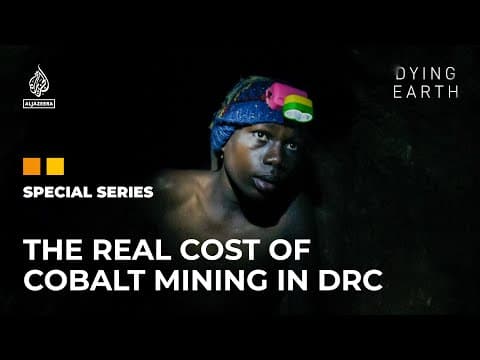
Cobalt mining in the Democratic Republic of Congo (DRC) is crucial for the global transition to renewable energy, yet it comes at a significant human and environmental cost. The exploitation of cobalt, primarily through artisanal mining, leads to severe human rights violations, environmental degradation, and persistent poverty among local communities, raising urgent questions about the ethics of energy transition.
The Democratic Republic of Congo (DRC) is home to approximately 60% of the world's cobalt reserves, a mineral essential for the production of batteries used in electric vehicles and renewable energy technologies. As the world shifts towards greener energy sources, the demand for cobalt has surged, leading to a boom in mining activities. However, this transition comes with dire consequences for the local populations and the environment.
Cobalt is a critical component in the production of electric batteries, solar panels, and wind turbines. The global push for renewable energy aims to reduce reliance on fossil fuels, which are major contributors to climate change. While this transition is necessary, it has inadvertently created a new set of challenges, particularly for those living in mining regions.
In the DRC, cobalt mining occurs through two primary methods: industrial mining and artisanal mining. Industrial mining is conducted by large corporations, while artisanal mining is typically carried out by local Congolese individuals. The latter is often characterized by unsafe and unsanitary working conditions, where miners face significant health risks and lack proper safety measures.
Artisanal miners often work in hazardous environments, digging deep into the earth without adequate support structures. This practice not only endangers their lives but also raises serious human rights concerns. Many miners, including children, are subjected to exploitative conditions, working long hours for meager pay. The lack of regulation and oversight in artisanal mining exacerbates these issues, leading to a cycle of poverty and exploitation.
Despite the DRC's vast mineral wealth, the local communities remain impoverished. The profits from cobalt mining primarily benefit multinational corporations and a small elite, while the majority of the population continues to struggle with poverty. This paradox highlights the failure of the mining sector to contribute to the economic development of the region.
Corruption within the DRC's government has further complicated the situation. The state has lost control over the mining sector, allowing foreign companies to exploit resources without adequately compensating the local population. This has led to a situation where the benefits of mining are not shared equitably, perpetuating inequality and social unrest.
Mining activities in the DRC have also resulted in significant environmental degradation. Rivers are often polluted due to mining operations, affecting local fishing communities and their livelihoods. The destruction of natural habitats and ecosystems poses a long-term threat to biodiversity and the health of the environment.
The demand for cobalt is driven by consumers in wealthier nations who seek cleaner energy solutions. However, the extraction of cobalt often comes at the expense of the very communities that are essential to this transition. It is crucial for consumers and corporations to recognize their role in this cycle and advocate for ethical sourcing practices that prioritize human rights and environmental sustainability.
The transition to renewable energy is a complex issue that requires a nuanced understanding of the implications of resource extraction. As the world moves towards a greener future, it is imperative to address the hidden costs of cobalt mining in the DRC. This includes ensuring fair labor practices, protecting the environment, and redistributing the wealth generated from these resources to benefit local communities. Only then can we achieve a truly sustainable energy transition that does not sacrifice the dignity and rights of those who live in resource-rich regions.



















