
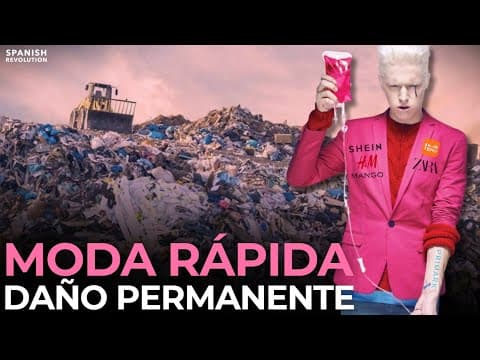
Fast fashion, characterized by rapid production and low-cost clothing, leads to severe environmental damage, labor exploitation, and psychological issues among consumers. This blog explores the detrimental effects of the fast fashion industry and offers solutions for more sustainable practices.
Fast fashion has become a dominant force in the clothing industry, characterized by the rapid production of low-cost garments to meet the insatiable demands of consumers. This model, while appealing for its affordability and trendiness, comes with severe consequences for the environment, labor rights, and mental health. This article delves into the intricacies of fast fashion, its impacts, and potential solutions for a more sustainable future.
Fast fashion refers to the quick production of cheap, low-quality clothing that is consumed compulsively by a public heavily influenced by advertising and social media. This model mirrors the addictive nature of gambling, where the immediate gratification of purchasing new clothes is followed by feelings of guilt and dissatisfaction. The pioneer of this business model, Amancio Ortega, founder of Zara, has set the stage for an industry that now produces an overwhelming number of collections each year.
Zara alone releases approximately 65,000 new models annually, with the frequency of collections increasing to absurd levels—up to 52 collections a year. This relentless cycle has led to a doubling of global clothing production between 2000 and 2015, while the lifespan of garments has decreased by over 40%. As a result, consumers feel pressured to buy more frequently, leading to a staggering amount of waste.
The fast fashion industry is the second most polluting sector globally, trailing only behind the oil industry. The environmental toll is immense:
The fast fashion model thrives on the exploitation of workers, particularly in developing countries. Key points include:
The compulsive nature of fast fashion shopping can lead to psychological issues, including anxiety and depression. The fleeting satisfaction derived from new purchases often leads to a cycle of guilt and the need for more consumption to achieve the same emotional high.
While the fast fashion industry poses significant challenges, there are actionable steps consumers can take to combat its negative impacts:
The fast fashion industry is a complex web of environmental degradation, labor exploitation, and psychological distress. However, by making conscious choices and advocating for systemic change, consumers can help dismantle this harmful model. The future of fashion lies in sustainability, and it is within our power to drive this change for the betterment of our planet and its people.



















