
This blog post explores the environmental and social impacts of aluminum production, particularly focusing on the extraction of bauxite in the Amazon and its consequences for local communities and ecosystems, as well as the misleading marketing of 'green aluminum' in Quebec.
The narrative surrounding green aluminum often paints a picture of sustainability and environmental responsibility. However, a closer examination reveals a darker reality involving deforestation, pollution, and the exploitation of vulnerable communities. This blog post delves into the production chain of aluminum, from the bauxite mines in the Amazon to the smelters in Quebec, highlighting the hidden costs associated with this seemingly eco-friendly metal.
In Quebec, the aluminum industry promotes the concept of green aluminum, claiming to produce the most environmentally friendly aluminum in the world. However, this claim is often a facade, masking the extensive environmental damage caused by the extraction and processing of bauxite. The production of aluminum is highly polluting, and the industry rarely discusses these impacts when marketing their products as green.
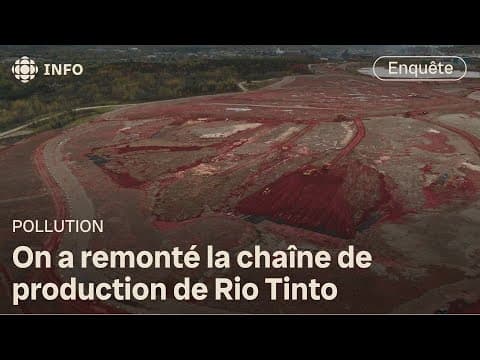
While the aluminum industry provides significant economic benefits to regions like Saguenay, it comes at a steep environmental cost. The waste generated by the bauxite refining process is staggering, with one refinery in Canada producing over a million tons of waste annually. This waste is often stored in large tailings ponds, which pose serious environmental hazards.
The extraction of bauxite in the Amazon has devastating effects on local ecosystems and communities. The process involves clearing vast areas of rainforest, leading to habitat destruction and loss of biodiversity. Additionally, the mining operations generate significant pollution, contaminating local water sources and affecting the health of nearby residents.
Local communities, particularly the Kilombola people, have been severely impacted by these mining activities. They report that the pollution from the mines has contaminated their water and food sources, leading to health issues and a loss of livelihood. The narrative of green aluminum fails to acknowledge these human costs.
Rio Tinto and Alcoa have been at the forefront of promoting green aluminum technologies, claiming to develop processes that eliminate greenhouse gas emissions. However, despite significant public funding and promises, these technologies remain largely unproven and have not yet been implemented at scale. Critics argue that the industry uses the green label as a marketing tool rather than a genuine commitment to sustainability.
Despite claims of producing green aluminum, Rio Tinto's operations in Quebec have consistently ranked among the top polluters in the province. The company has faced numerous environmental violations, including the improper handling of toxic waste and failure to report pollution incidents. The lobbying power of the aluminum industry has allowed it to evade stricter regulations, often using job security as leverage against environmental reforms.
The aluminum industry in Quebec benefits from substantial government subsidies, amounting to billions annually. Critics argue that these funds are essentially a form of corporate welfare, allowing companies to profit while externalizing environmental costs. The narrative that aluminum production is vital for economic growth often overshadows the pressing need for environmental accountability.
The story of aluminum production, from the Amazon to Quebec, is one of exploitation and environmental degradation masked by the allure of green marketing. As consumers and citizens, it is crucial to scrutinize the claims of sustainability made by the aluminum industry and demand transparency regarding the true costs of production. The fight for a genuinely sustainable future requires acknowledging and addressing the hidden impacts of our consumption choices.



















