
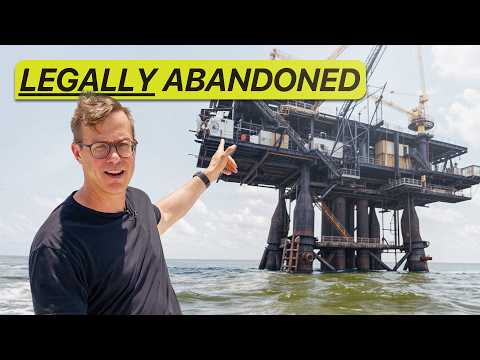
Abandoned oil rigs in the Gulf of Mexico pose significant environmental and safety risks. This blog explores the history of offshore drilling, the dangers of neglected infrastructure, and potential solutions to the growing problem of abandoned wells.
The Gulf of Mexico is home to numerous abandoned oil rigs, remnants of a once-thriving industry that has left behind a legacy of environmental concerns and safety hazards. This blog post delves into the history of offshore drilling, the current state of abandoned rigs, and the potential dangers they pose to the environment and local communities.
The story of offshore drilling began in the late 1940s, a time when the United States was ramping up oil production to support the war effort. Before World War II, the idea of drilling for oil beneath the Gulf seafloor was considered too risky and expensive. However, the war changed everything, leading to a significant increase in oil production and the exploration of offshore drilling.
The first offshore rig was established off the coast of Louisiana in 1947, marking a significant technological leap. The introduction of mobile rigs, such as Mr. Charlie in 1954, allowed companies to drill in multiple locations without the need for extensive infrastructure. This innovation led to billions of dollars flowing into the Gulf region, transforming the economy and setting a new standard of living.
As technology advanced, the industry began to explore deeper waters, discovering highly pressurized reservoirs that produced significantly more oil than shallower wells. Companies like Shell pioneered deep-water drilling, leading to the development of various rig types capable of reaching depths of up to 12,000 feet. This shift towards deeper drilling was driven by the need for more profitable oil sources as shallow wells dried up more quickly.
Despite the initial success of offshore drilling, many rigs have been abandoned as oil companies move on to more profitable ventures. The question arises: why do companies leave these structures to rot in the ocean?
The abandonment of oil rigs is not just an eyesore; it poses significant environmental risks. The underwater infrastructure, which includes steel pipes and wells extending deep into the seabed, can deteriorate over time. Aging materials can lead to catastrophic failures, such as blowouts, which can result in oil spills and environmental disasters.
Justin, a local with experience in the oil industry, highlights the dangers of abandoned rigs. He explains that when pressure builds underground, it can lead to explosive blowouts, turning the ocean into a hazardous environment. The Gulf is already home to thousands of unplugged wells, each one a potential disaster waiting to happen.
As rigs and wells age, the risk of failure increases. Scott, another local with a family history in the oil business, emphasizes the importance of properly sealing abandoned wells. Without proper maintenance, these wells can become ticking time bombs, leading to oil spills and other environmental catastrophes.
The Deepwater Horizon disaster in 2010 serves as a stark reminder of the potential consequences of neglecting offshore infrastructure. This catastrophic event resulted in the largest marine oil spill in history, highlighting the urgent need for proper regulation and maintenance of oil rigs and wells.
While there are regulations in place to ensure that oil companies clean up after themselves, these laws often fall short. Companies are required to pay bonds to cover cleanup costs, but these amounts frequently do not reflect the true expenses involved in decommissioning a rig or well. The cleanup backlog in the Gulf is estimated to be between $40 billion and $70 billion, while the government holds only about $3.5 billion in bonds.
Another significant issue is that many companies that abandon rigs are not the original builders. As rigs change hands, the responsibility for cleanup often does not follow. Companies frequently use bankruptcy as a strategy to avoid cleanup costs, leaving taxpayers and the environment to bear the burden of their negligence.
Despite the grim situation, there are potential solutions on the horizon. Some innovative ideas include repurposing abandoned rigs for alternative energy sources, such as wind or hydro power. Additionally, startups like Gold H2 are exploring ways to extract clean energy from used oil wells.
The situation in the Gulf of Mexico is a complex issue that requires immediate attention. As the industry continues to evolve, it is crucial to ensure that proper regulations are enforced and that companies are held accountable for their actions. The potential for innovation and change exists, but it will take collective effort and commitment to address the dangers posed by abandoned oil rigs and wells.
The legacy of offshore drilling in the Gulf of Mexico is one of both innovation and neglect. As we look to the future, it is essential to learn from the past and take proactive steps to protect our environment and communities from the dangers of abandoned oil infrastructure. The opportunity for change is here, and it is up to us to seize it.



















