
This blog post explores the concept of disguised infrastructure in urban environments, focusing on substations and their architectural camouflage. It discusses the historical significance of infrastructure design, the implications of hiding critical systems, and the need for transparency in urban planning. The article argues for a shift towards celebrating infrastructure rather than concealing it, highlighting innovative examples that engage the public and foster understanding of essential city,
Walking through urban landscapes, we often overlook the structures that quietly support our daily lives. One such example is the substation, a building that may appear ordinary but plays a crucial role in powering neighborhoods. This blog post delves into the issues surrounding disguised infrastructure, particularly focusing on substations, their architectural camouflage, and the implications of hiding critical systems from public view.
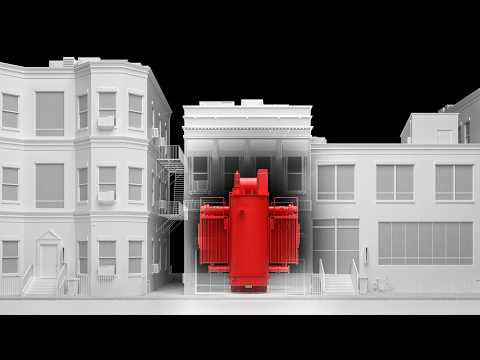
At first glance, a substation might seem like just another empty building on a prominent lot in Chicago. However, it serves as a vital switchboard, channeling electricity to the surrounding area. Inside, massive transformers and complex equipment work tirelessly to ensure that power is delivered safely to homes. The design of these buildings often includes features that obscure their true purpose, such as fake doors and windows that do not function.
Substations are essential for transforming high-voltage electricity from power plants into a safer, usable form for residential areas. They are strategically located close to neighborhoods to minimize the risk of electrical hazards. Despite their importance, many people remain unaware of their presence, as these structures are often designed to blend in with their surroundings.
Historically, infrastructure was celebrated and showcased. For instance, the famous water tower in Chicago, designed in the 1800s, was a symbol of modernity and technical achievement. Early substations were also designed with architectural flair, often becoming iconic structures in their own right. However, over time, the trend shifted towards hiding these critical facilities behind mundane facades.
The architectural disguise of infrastructure can be likened to military camouflage, which aims to blend objects into their environment. This superficial approach does not alter the fundamental nature of what is being hidden. In urban settings, the goal is to make substations and other critical infrastructure indistinguishable from ordinary buildings, thereby minimizing public anxiety about their presence.
While the intention behind disguising infrastructure may be to promote safety and aesthetic conformity, this practice has significant drawbacks. By hiding substations, we contribute to an out-of-sight, out-of-mind mentality. People tend to notice infrastructure only when it fails, leading to a lack of understanding and appreciation for the complexity involved in maintaining urban systems.
This concealment fosters complacency and disconnects the public from the realities of urban infrastructure. As philosopher Bruno Lour noted, modern cities resemble temples where technology is worshipped behind closed doors, accessible only to engineers and specialists. This lack of transparency can lead to a misunderstanding of the true costs and challenges associated with maintaining essential services.
The narrative surrounding infrastructure needs to change. Instead of hiding substations, we should consider opportunities to create engaging public spaces that celebrate these essential systems. For example, architect Stanley Tiger designed a new substation that not only serves its functional purpose but also stands out as a beautiful structure, showcasing quality craftsmanship and architectural detail.
There are innovative designs that integrate infrastructure with public engagement. One such example is the heat transfer station in Utrecht, which features a playful exterior that invites interaction. This approach not only enhances the aesthetic appeal but also fosters a connection between the public and the infrastructure that supports their daily lives.
The trend of disguising critical infrastructure reflects a broader societal anxiety about technology and its presence in our lives. By hiding substations and other essential systems, we risk losing sight of their importance and the investment required to keep our cities functioning. Instead, we should embrace the industrial sublime, celebrating the beauty and complexity of infrastructure rather than concealing it.
Understanding where our power, water, and data come from is crucial for fostering a more informed and engaged public. As we move forward, let us advocate for transparency and innovation in urban design, ensuring that our cities reflect the vital systems that sustain them.



















