
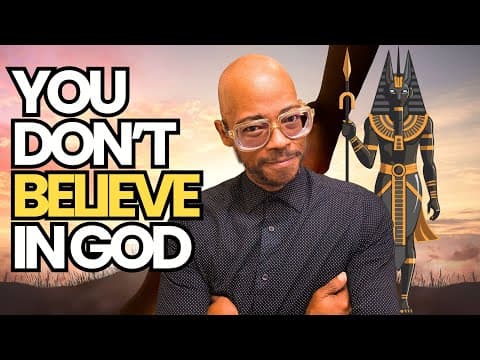
This blog post explores the disconnect between professed belief in God and actual behavior, arguing that many who identify as believers live as functional atheists. It examines cultural Christianity, the lack of genuine engagement with scripture, and the rituals that have become mere performances rather than expressions of faith. Ultimately, it challenges readers to confront their beliefs and the societal implications of maintaining a facade of faith.
In contemporary society, many individuals identify as believers in God, yet their lives often reflect a different reality. This post delves into the notion that a significant number of those who profess faith in God may actually be living as functional atheists. We will explore the implications of this disconnect and challenge the reader to reflect on their beliefs and practices.
Belief is not merely a verbal affirmation; it is the foundation upon which one builds their life. If someone genuinely believed in a God who observes every action and judges every thought, their life would manifest that belief in profound ways. However, the reality is that many believers do not pray consistently, do not seek divine guidance in their decisions, and do not treat non-believers as souls in peril. Instead, their belief resembles a distant memory, akin to a third-grade teacher they once respected but no longer consult.
Cultural Christians identify as Christian but often reject traditional doctrines and literal interpretations of scripture. They may view God as a moral compass or a comforting presence rather than a divine authority. This perspective reduces faith to a cultural identity rather than a transformative belief system.
On the other hand, fence sitters express vague beliefs in a higher power without defining or pursuing it. They cling to abstract notions of God for comfort but do not engage in meaningful spiritual practices. This non-committal stance reflects a desire for social acceptance rather than a genuine quest for truth.
A striking reality is that many who claim to believe in God do not engage with the scriptures that are said to be the foundation of their faith. Despite claiming the Bible is the most important book, many have never read it in its entirety. This neglect suggests a lack of genuine belief. If one truly believed that the creator of the universe communicated through scripture, they would be compelled to study it deeply.
Moreover, many believers are quick to impose moral standards on others while failing to apply those same standards to themselves. The prevalence of hypocrisy within religious communities is evident, as many individuals who preach abstinence or moral living do not practice what they preach. This inconsistency raises questions about the authenticity of their beliefs.
The rituals and doctrines that once defined faith have undergone significant secularization. For instance, the shift from wine to grape juice in communion reflects a desire for comfort over adherence to divine instruction. When rituals are altered for convenience, they cease to be expressions of faith and become mere performances.
The expectations of modern believers have also shifted. The God of Abraham demanded sacrifices, while the God of contemporary churches often demands little more than good vibes and branding. This evolution indicates that cultural influences, rather than genuine belief, are driving religious practices today.
A curious phenomenon is the certainty many believers exhibit regarding the non-existence of other gods. While they may firmly believe in the God of the Bible, they often dismiss other deities without question. This confidence raises important questions about the nature of belief and the potential for projection in their faith.
Perhaps the most telling sign of a lack of genuine belief is the absence of heartbreak in the face of unanswered prayers. If one truly believed in a loving and attentive God, the silence during times of need would be devastating. Instead, many believers shrug off divine silence, indicating a deeper disconnection from their faith.
Ultimately, the question arises: if you do not engage in daily prayer, do not follow divine laws, and do not live differently from your atheist neighbor, what do you truly believe? It may be time to confront the reality that many are holding onto a label or identity rather than a genuine belief in God. This facade perpetuates systems that influence laws and societal norms based on outdated myths.
In a world where belief can often feel like a performance, it is crucial to seek authenticity. You do not need to fear a hell to be a good person, nor do you need to maintain a facade of faith to find purpose. Let us embrace honesty and acknowledge that many of us are already living without God. Perhaps it is time to say it out loud and seek a more genuine path forward.



















