
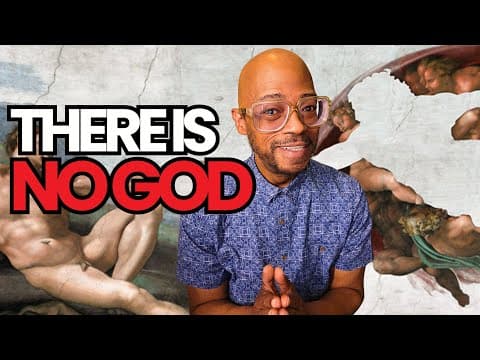
This blog post explores the argument that the concept of God is a product of human imagination, rooted in cultural and historical contexts. It critiques the vagueness of modern definitions of God and emphasizes the need for concrete attributes to engage in meaningful discussions about divinity. The author argues that all known gods have failed under scrutiny, and the emotional weight of belief stems from human experience rather than divine reality.
The assertion that there is no God is not merely a provocative statement; it is a conclusion drawn from a thorough examination of the origins and implications of the God concept. This post delves into the argument that the idea of God is a construct of human imagination, shaped by cultural needs and historical contexts.
The notion of God is not a timeless or neutral proposition. Instead, it is a product of human imagination, deeply rooted in specific cultural contexts and historical narratives. The idea of God emerged as a response to survival needs, ignorance, and social control, evolving alongside language, morality, and early scientific understanding.
Many skeptics entertain increasingly vague definitions of God, often out of a misguided sense of intellectual fairness. However, this approach overlooks the historical and cultural baggage that accompanies the God concept. An abstract God, stripped of myth and ritual, becomes a rhetorical decoy, devoid of the very essence that gives it meaning.
When discussing God, it is crucial to ask: what kind of God are we referring to? The shift towards an abstract God often serves as an evasion strategy, diverting attention from the collapse of traditional God claims. This abstraction leads to a realm of unfalsifiable speculation, where the conversation loses its seriousness and devolves into semantic gymnastics.
The abstract God often represents a straw man or a red herring in discussions about divinity. When defenders of God reduce the concept to mere possibility, they abandon the rich historical and cultural context that defines the God idea. This shift is not a continuation of the original claim but rather a retreat into vagueness, avoiding the acknowledgment that traditional religious gods have failed under scrutiny.
Every known God concept is historically anchored and tied to specific narratives, miraculous events, and divine interventions. Claims about gods like Yahweh, Allah, and Jesus are subject to historical and logical examination, and when these claims fall apart, so too does the God associated with them.
Undefined gods, often presented as vague forces or higher powers, lack the attributes necessary for meaningful evaluation. Without clear definitions, these concepts become immune to critique, not due to their strength, but because they are fundamentally empty. A God that cannot be described or tested is not a concept worth discussing.
Many people feel a profound connection to God, attributing this sensation to divine presence. However, this feeling is often a projection of human experience—our collective fears, hopes, and identities. The emotional gravity of the God idea stems from rituals, traditions, and community, not from any inherent truth.
The reality of God is constructed through human interaction and cultural reinforcement. Just as we assign agency to governments or corporations, we have made God feel real through our collective efforts. The presence of God is often a reflection of our humanity, not a fingerprint of a divine being.
The claim that there is no God is not made lightly; it is a conclusion drawn from a critical examination of the historical, cultural, and logical foundations of the God concept. The idea of God, as we understand it, is a product of human speculation and social constructs. As we move forward, it is essential to recognize that the God idea does not deserve constant redefinition or reinterpretation. Instead, we should acknowledge its origins and the role it plays in our lives, understanding that the emotional connections we feel are rooted in our humanity, not in divine reality.



















