
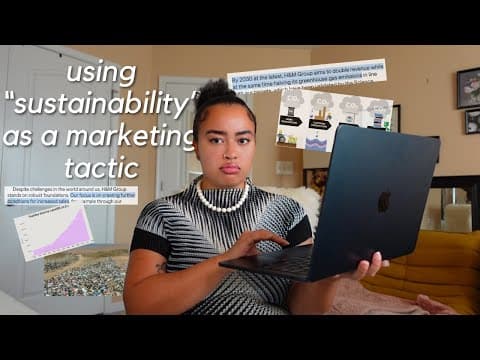
Fast fashion brands are engaging in greenwashing, presenting a false image of sustainability while continuing harmful practices. Despite claims of recycling and eco-friendly initiatives, their overproduction and reliance on synthetic materials contribute significantly to environmental degradation. The most effective solution would be for these companies to reduce production or cease operations altogether.
In recent years, sustainability has become a buzzword in the fashion industry, particularly among fast fashion brands. However, the reality is that many of these companies are engaging in greenwashing—creating a deceptive image of environmental responsibility while continuing harmful practices. This blog post delves into the contradictions of fast fashion's sustainability claims and the broader implications for our environment.
Fast fashion companies are aware that sustainability sells. However, the perception of sustainability does not necessarily equate to actual sustainable practices. These companies are entrenched in a destructive system that prioritizes profit over environmental responsibility. For instance, H&M's 2023 sustainability report states their goal to double revenue by 2030 while simultaneously aiming to reduce greenhouse gas emissions. This contradiction highlights the futility of their sustainability efforts as long as they continue to produce hundreds of millions of garments each year.
The fast fashion industry is the second-largest consumer of water, following agriculture. The garment dyeing process alone can consume up to 2,200 tons of water for just 1,400 pieces of clothing. This excessive water usage occurs while many communities worldwide lack access to clean drinking water. Furthermore, every stage of garment production contributes to water pollution, with textile mills being responsible for 20% of all industrial water pollution. Toxic chemicals from dyes, such as AO D, are known carcinogens and can severely disrupt marine ecosystems.
Fast fashion generates an astonishing 92 million tons of textile waste annually, equivalent to a truckload of clothes being dumped in landfills every second. In the U.S. alone, 14 million tons of textiles are discarded each year. This waste often ends up in regions like Ghana and Chile, where entire economies have emerged around selling secondhand clothes. However, the quality of these garments is declining, leading to further waste and pollution in these communities.
The fast fashion industry contributes to 10% of global greenhouse gas emissions, heavily relying on fossil fuels for production. Brands like Nike and Zara consume millions of gallons of oil annually, all while claiming to reduce their carbon footprints. This reliance on fossil fuels underscores the industry's unsustainable nature.
Fast fashion brands have recognized the need to appear environmentally conscious to maintain consumer loyalty. This has led to various initiatives that often lack meaningful impact. For example, Uniqlo's recycling program claims to donate old garments to charitable organizations, but the scale of their production dwarfs the amount they recycle. Producing 600 million garments annually, they donated only 10 million over eight years—merely 2% of their total output.
H&M has also launched garment collection programs, promoting their efforts to recycle textiles. However, the reality is starkly different. Despite collecting 172,000 tons of textiles over ten years, this represents only 1.3% of their total production. Moreover, many of the collected garments do not end up being recycled but are instead sold to commercial companies or end up in landfills.
The cycle of greenwashing perpetuates a false sense of environmental responsibility among consumers. Brands like H&M and Uniqlo create initiatives that encourage recycling while simultaneously promoting new purchases. This strategy capitalizes on what can be termed the "sleepy consumer"—those who prefer to remain uninformed about the environmental consequences of their consumption.
The fast fashion industry's approach to sustainability is fundamentally flawed. As long as these companies prioritize profit over genuine environmental responsibility, their efforts will remain superficial. The most sustainable action fast fashion could take would be to cease operations altogether. To combat this destructive system, consumers must break their addiction to fast fashion and demand real change. We cannot rely on these companies to lead the way; instead, we must advocate for a more sustainable future.
As consumers, we have the power to influence change. By making conscious choices and supporting brands that prioritize sustainability over profit, we can help shift the industry towards a more responsible model. Let's work together to challenge the status quo and promote a healthier planet for future generations.



















