
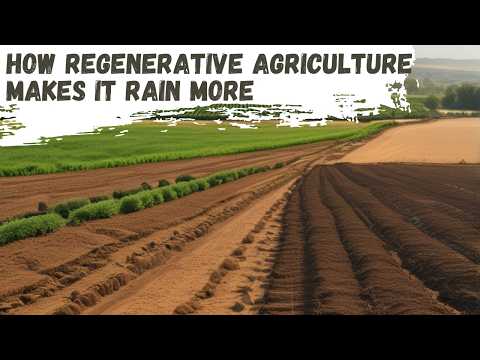
Regenerative agriculture enhances soil health, which in turn increases rainfall and prevents droughts. By fostering a diverse microbiome in the soil, farmers can improve moisture retention, reduce the need for chemical inputs, and create a more sustainable agricultural system that benefits both the environment and crop yields.
Regenerative agriculture is not just a farming technique; it is a holistic approach that can significantly influence weather patterns, particularly rainfall. This article explores how regenerative practices can combat drought and enhance precipitation through the health of the soil microbiome.
The more plants there are, the more it rains. This statement challenges the notion that rainfall is purely a matter of geographical luck. Instead, it highlights the critical role of soil health in attracting rain. Healthy soil is rich in microorganisms, which are essential for the formation of ice particles in clouds—an integral part of the precipitation process.
For many years, it was believed that minerals were the primary contributors to ice formation in clouds. However, recent studies reveal that living organisms, including fungi, algae, and bacteria, outnumber minerals in the atmosphere. These microorganisms originate from the soil, where they thrive and eventually make their way into the atmosphere through evaporation, contributing to cloud formation and precipitation.
Conventional farming practices often involve the use of pesticides that indiscriminately kill microorganisms in the soil. This approach disrupts the delicate balance of the ecosystem, leading to a decline in soil health. As a result, the ability of the soil to retain moisture diminishes, leading to increased evaporation and less stable cloud formations. Consequently, regions experience prolonged droughts followed by sudden, heavy rainfall, which can cause flooding and erosion.
Currently, approximately 38% of the planet's land is used for agriculture, which includes not only large farms but also smaller homesteads and ancestral lands. This extensive agricultural footprint has led to a significant decline in the planet's microbiome, with half of it being dead or actively eradicated. This loss contributes to severe environmental issues, such as expanding deserts, eroded soils, and increased flooding in various regions.
In Eastern Europe, flooding has reached unprecedented levels, while Western Europe struggles with groundwater depletion despite receiving rainfall. In contrast, regenerative agriculture practices in South America have shown promising results, with ranches in arid regions receiving 28% more rain than their conventional counterparts. These regenerative practices not only increase rainfall but also enhance morning dew collection and improve soil moisture retention.
Regenerative agriculture focuses on preserving soil health by promoting the growth of beneficial microorganisms. This approach leads to several advantages:
The financial implications of regenerative agriculture are substantial. By reducing reliance on chemical inputs and improving soil health, farmers can lower their operational costs. Studies have shown that farmers practicing regenerative methods can keep more livestock per acre and even reduce the need for seeding as natural grass regrowth occurs.
Regenerative agriculture is a powerful tool in the fight against drought and climate change. By focusing on soil health and fostering a diverse microbiome, farmers can create a sustainable agricultural system that benefits both the environment and their livelihoods. The ripple effects of these practices extend beyond individual farms, contributing to a healthier planet and more stable weather patterns.
As we continue to explore the vast benefits of regenerative agriculture, it is essential for farmers and consumers alike to recognize the profound impact that soil health has on our climate and food systems. By adopting regenerative practices, we can all play a part in nurturing the earth and ensuring a more sustainable future.



















