
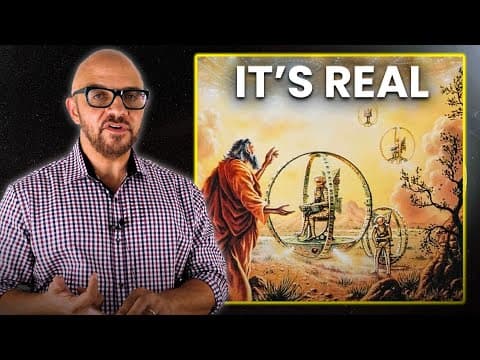
Paul Wallis discusses the challenges faced by Christian churches regarding the acknowledgment of extraterrestrial contact, the societal dynamics that suppress open discussions, and the implications for faith communities as we approach significant events in 2025.
Paul Wallis, a former archdeacon in the Anglican Church and a theological educator for over three decades, has been vocal about the intersection of faith and extraterrestrial contact. His insights have sparked controversy and drawn both support and backlash from various faith communities. In this blog post, we will explore Wallis's views on the implications of extraterrestrial contact for Christian theology, the societal dynamics that inhibit open discussions, and the potential crisis facing churches as we approach significant events in 2025.
Wallis's journey began with a deep commitment to his faith, serving as a church doctor and church planter. However, his research into ancient texts and the narratives surrounding the Elohim and Yahweh has led him to propose that many biblical stories may actually recount encounters with extraterrestrial beings. This perspective has not only garnered him a following but has also resulted in severe backlash, including death threats and accusations of heresy.
Wallis predicts that 2025 will be a pivotal year for Christian churches regarding the disclosure of extraterrestrial contact. He argues that the churches are currently in a state of denial, having avoided the topic for too long. The fear is that if Wallis's interpretations are correct, the foundational beliefs of many Christians could be challenged, leading to a crisis of faith. He likens the potential fallout to the historical panic surrounding the Fatima events over a century ago.
Wallis identifies three main groups of pastors who believe in extraterrestrial contact:
The overarching theme is that the social dynamics within faith communities often prioritize maintaining the status quo over pursuing truth. This leads to a culture of silence and ridicule surrounding the topic of extraterrestrial contact.
Wallis emphasizes the disconnect between academic understanding and church teachings. He notes that many pastors with theological degrees are aware of the academic discussions surrounding extraterrestrial narratives in the Bible but are unable to bring these insights into their congregations. This gap creates a situation where congregants are left uninformed and unprepared for potential revelations about extraterrestrial life.
Interestingly, Wallis points out that the Roman Catholic Church has made strides in this conversation. Figures like Reverend Dr. Guy Consolmagno, the Vatican's astronomer, have publicly acknowledged the possibility of extraterrestrial life and the need for the church to be prepared for such encounters. This openness contrasts sharply with the resistance found in many Protestant denominations.
Wallis also discusses the experiences of military personnel who have encountered unidentified aerial phenomena (UAPs). He highlights that these individuals often seek support from clergy but are met with skepticism or ridicule. This lack of understanding and support can lead to significant psychological distress for those who have had these experiences.
As we approach 2025, Wallis urges faith communities to prepare for the possibility of extraterrestrial contact. He believes that ancient narratives and symbols can provide guidance and understanding for what may come. By engaging with these stories, communities can foster a more open-minded approach to the unknown.
Paul Wallis's insights challenge the traditional boundaries of Christian theology and encourage a reevaluation of long-held beliefs. As we stand on the brink of potential revelations about extraterrestrial life, the response from faith communities will be crucial. Will they embrace the truth, or will they continue to suppress it out of fear? The coming years will test the resilience and adaptability of faith in the face of unprecedented challenges.



















