
As the next papal conclave approaches, discussions around St. Malachy's prophecy intensify, particularly regarding its implications for Pope Francis and the future of the papacy. This blog post explores the history of the prophecy, its interpretations, and how the upcoming conclave may challenge or confirm these predictions.
As the papal conclave approaches, many are revisiting the controversial St. Malachy's prophecy, which claims to predict the future popes of the Catholic Church. This discussion has gained traction, especially among those who believe that Pope Francis is the last pope, as suggested by the prophecy. In this blog post, we will explore the history of St. Malachy's prophecy, its interpretations, and the potential implications of the upcoming conclave.
St. Malachy was an Irish bishop born in 1094, known for his prophetic visions. He died in 1148, and his prophecies regarding future popes were purportedly revealed during a visit to Rome. The prophecies were first published in 1595, long after his death, leading to debates about their authenticity and accuracy.
St. Malachy's prophecy consists of a list of 112 short phrases that describe each pope from his time until the end of the world. The phrases are often cryptic, referencing the pope's coat of arms, birthplace, or significant events during their papacy. The controversy arises from the fact that the predictions before 1595 seem to align closely with historical popes, while those after are more ambiguous and open to interpretation.
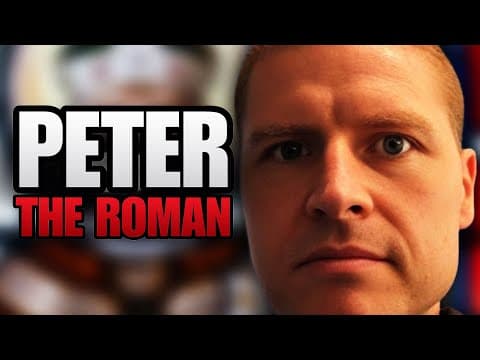
Many proponents of the prophecy argue that Pope Francis is the last pope, referred to as "Peter the Roman" in the prophecy. This interpretation suggests that his papacy will usher in the end times, a claim that has been met with skepticism and criticism. Critics argue that the prophecy lacks clarity and that its interpretations often rely on confirmation bias.
With the upcoming conclave, the stakes are high for those who believe in St. Malachy's prophecy. If a new pope is elected, it would directly contradict the assertion that Pope Francis is the last pope. This potential outcome raises questions about the validity of the prophecy and the credibility of those who have promoted it.
The Diamond brothers, known for their controversial interpretations of Catholic prophecies, have been vocal about St. Malachy's predictions. They have produced several videos discussing the implications of the prophecy, often framing it as a critical aspect of their theological stance. However, as the conclave approaches, they seem to be backtracking on their previous assertions, suggesting that they never fully endorsed the prophecy as definitive.
Historically, St. Malachy's prophecy has faced skepticism from theologians and historians alike. Critics point out that the prophecy's authenticity is questionable, given that it was not publicly available until centuries after it was supposedly written. Furthermore, many of the predictions made after 1595 are vague and can be interpreted in multiple ways, leading to doubts about their prophetic nature.
The tendency to interpret ambiguous statements as prophetic can lead to confirmation bias, where individuals see what they want to see rather than objective truth. This phenomenon is particularly relevant in discussions about St. Malachy's prophecy, as many interpretations rely heavily on subjective analysis rather than concrete evidence.
As the papal conclave approaches, the implications of St. Malachy's prophecy remain a topic of heated debate. Whether or not the prophecy holds any truth will likely be tested in the coming days. For many, the outcome of the conclave will either confirm or debunk the longstanding claims surrounding the prophecy, potentially reshaping the narrative of the Catholic Church's future.
In the end, the discussions surrounding St. Malachy's prophecy serve as a reminder of the complexities of faith, interpretation, and the human desire to find meaning in the unknown.



















