
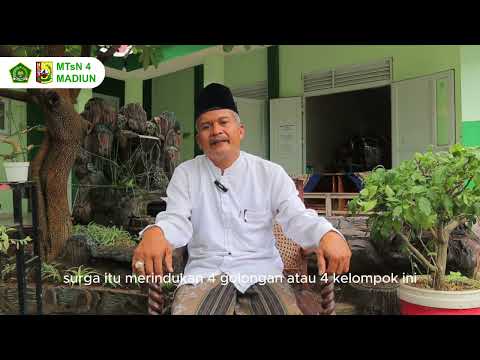
The Importance of Sunnah Practices During Ramadan: Insights from Kyai Syamsudin
Kyai Syamsudin emphasizes the significance of four key practices during Ramadan: reading the Quran, guarding one's speech, feeding the hungry, and fasting. These actions are essential for spiritual growth and are highly valued in the eyes of Allah.
Asalamualaikum warahmatullahi wabarakatuh. In this enlightening discussion, Kyai Syamsudin shares valuable insights on the significance of performing Sunnah practices during the holy month of Ramadan.
A Time for Gratitude
Kyai Syamsudin begins by expressing gratitude to Allah for granting us the opportunity to witness another Ramadan. He emphasizes the importance of acknowledging this blessing, as Ramadan is a month filled with mercy, blessings, and forgiveness.
The Four Key Practices
During Ramadan, there are four essential practices that Kyai Syamsudin highlights, which are crucial for spiritual growth and connection with Allah:
-
Reading the Quran
The first practice is the recitation of the Quran. Kyai Syamsudin cites a Hadith from the Kitab Duratun Nasihin, where the Prophet Muhammad (peace be upon him) mentions that Paradise yearns for those who regularly read the Quran. This practice not only enhances one's understanding of the faith but also brings one closer to Allah. -
Guarding One's Speech
The second practice involves being mindful of one's speech. This includes avoiding foul language and refraining from speaking ill of others. By controlling our words, we can foster a more peaceful and respectful environment, which is especially important during the holy month. -
Feeding the Hungry
The third practice is to feed those who are hungry. Kyai Syamsudin emphasizes that this act of charity should not be limited to just those who are fasting but should extend to the poor and needy in our communities. Providing food to those in need is a noble act that reflects compassion and generosity. -
Fasting
Finally, the act of fasting itself is highlighted as a fundamental practice during Ramadan. Fasting is not only a physical act of abstaining from food and drink but also a spiritual journey that encourages self-discipline and empathy towards those who are less fortunate.
Conclusion
Kyai Syamsudin concludes by urging everyone to enhance their acts of worship during Ramadan. He hopes that by adhering to these four practices—reading the Quran, guarding our speech, feeding the hungry, and fasting—we can all attain Allah's mercy, blessings, and forgiveness.
May these insights serve as a reminder of the importance of our actions during this blessed month. As we strive to improve our spiritual lives, let us remember the significance of these Sunnah practices and their impact on our relationship with Allah.
Asalamualaikum warahmatullahi wabarakatuh.



















