
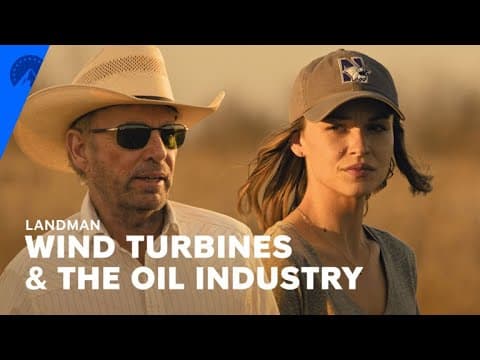
This blog post explores the complex relationship between wind energy and the oil industry, highlighting the environmental impact of wind turbine production, the reliance on petroleum-based infrastructure, and the challenges of transitioning to alternative energy sources.
In a world increasingly focused on renewable energy, the relationship between wind energy and the oil industry is often overlooked. This blog post delves into the surprising ways in which these two energy sources are interconnected, revealing the complexities of our current energy infrastructure.
Wind turbines are colossal structures, standing at 400 feet tall. Their concrete foundations cover a third of an acre and extend 12 feet underground. While they are often associated with clean energy, the reality is more nuanced. The ownership of these turbines is predominantly in the hands of oil companies, who utilize them to power oil wells in remote areas where traditional electricity is unavailable.
The term "clean energy" is frequently used in discussions about wind power. However, the production and installation of wind turbines involve significant environmental costs. The process requires substantial amounts of diesel fuel to mix concrete, manufacture steel, and transport materials. The machinery used, including cranes that can reach heights of 450 feet, also consumes a considerable amount of oil for lubrication and maintenance.
Over their 20-year lifespan, wind turbines may not offset the carbon footprint generated during their production. This raises critical questions about the sustainability of wind energy as a truly green alternative. Furthermore, the environmental impact of solar panels and the lithium used in electric vehicle batteries adds another layer of complexity to the discussion about renewable energy.
One of the most significant barriers to a complete transition to electric energy is the lack of adequate transmission lines. If the world were to switch to electric energy overnight, it would take approximately 30 years to establish the necessary infrastructure to deliver electricity to urban centers. This highlights the deep-rooted reliance on a 120-year-old petroleum-based infrastructure that permeates every aspect of modern life.
Oil is not just a fuel source; it is an integral component of countless products and industries. From the roads we drive on to the wheels of every car, oil is present in tennis rackets, lipstick, refrigerators, antihistamines, and even clothing made from synthetic fibers. The pervasive nature of petroleum products underscores our dependency on oil, making the transition to alternative energy sources even more challenging.
The conversation around energy often centers on the dangers of fossil fuels. However, the real threat may lie in the potential depletion of oil reserves before viable alternatives are found. If major oil companies believed that wind energy was the future, they would likely invest heavily in it. Instead, the oil industry continues to thrive due to the persistent demand for petroleum products.
Extracting oil is one of the most hazardous jobs globally, undertaken not out of preference but necessity. The demand for oil drives the industry, and blaming external factors for the dangers associated with oil extraction overlooks the fundamental issue: our reliance on fossil fuels.
The relationship between wind energy and the oil industry is complex and multifaceted. While wind turbines are often celebrated as symbols of renewable energy, their production and the infrastructure supporting them are deeply intertwined with the oil industry. As we navigate the transition to alternative energy sources, it is crucial to acknowledge these interdependencies and the challenges they present. The future of energy will require innovative solutions and a reevaluation of our current systems to ensure a sustainable path forward.



















