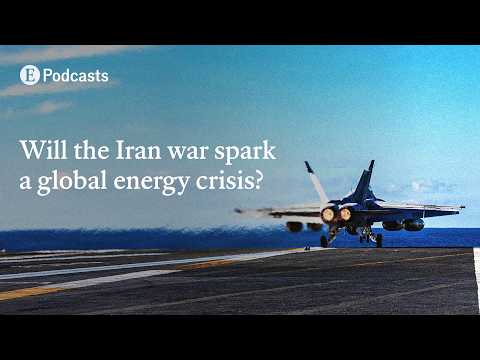
The ongoing war in Iran is causing disruptions in oil and natural gas supplies, leading to higher energy prices globally. This surge impacts economic activity, raises inflation, and affects sectors like airlines and logistics. The duration of the conflict will determine the severity of the crisis, with potential long-term geopolitical risks for Gulf business hubs like Dubai.
The war in Iran has sent shockwaves through global energy markets, causing significant increases in oil and natural gas prices. This escalation poses serious challenges for economies worldwide, especially those heavily reliant on fossil fuels. The full economic impact remains uncertain and largely depends on the conflict's duration.
One of the critical factors driving the surge in energy prices is the disruption of traffic through the Strait of Hormuz. This narrow passage is vital as it facilitates the transit of 15 to 20% of the world's oil supply. The conflict has heightened tensions and caused nervousness in oil markets due to fears of supply curtailment.
Additionally, Iran's attacks on energy infrastructure in Saudi Arabia have exacerbated concerns about the stability of oil supplies. These attacks have contributed to the volatility and upward pressure on oil prices.
Natural gas has also been significantly affected. Qatar, a major producer responsible for about one-fifth of the world's liquefied natural gas (LNG) supply, experienced an attack on one of its LNG facilities by Iran. This facility was shut down as a precautionary measure, leading to a surge in natural gas prices, particularly in Europe.
Despite the global economy gradually reducing its reliance on oil, energy remains essential for economic functioning. The increase in oil and gas prices translates into higher costs for businesses and consumers alike. This rise in costs tends to dampen economic activity and contributes to inflationary pressures.
The extent of these economic effects will depend on how long the energy price shock persists. Industry experts have speculated that oil prices could reach $100 per barrel for Brent crude, with natural gas prices potentially climbing even higher. Such developments would intensify the economic strain.
The rising cost of energy is not only an economic issue but also a political one. In the United States, for example, higher gas prices at the pump are a significant concern for voters. With the midterm elections approaching, escalating energy costs could pose challenges for political figures such as Donald Trump.
The conflict's repercussions extend beyond energy markets. The airline industry has been notably affected due to the Gulf region's importance as a major hub for passenger traffic, air freight, and logistics. Disruptions have led to falling airline stock prices and stranded passengers worldwide.
Conversely, some sectors, such as defense, have seen gains amid the heightened geopolitical tensions.
Places like Dubai, which have long been considered stable and attractive for business and trade despite their location in a troubled region, now face new risks. The recent conflict shattered the illusion that geography does not matter, exemplified by incidents such as a hotel in Dubai catching fire.
The future of Dubai's business model hinges on the conflict's duration. A prolonged war could lead to a geopolitical risk premium being attached to doing business in the region, potentially undermining Dubai's appeal as a hassle-free business hub.
The timeline of the Iran war remains unclear. While some suggest it could last days or weeks, others warn it might extend for months or even years. Industry analysts are closely monitoring the situation, particularly the ongoing disruptions in the Strait of Hormuz and Iran's actions against its neighbors.
The longer the conflict continues, the greater the uncertainty and the higher the likelihood that energy prices will remain elevated. This uncertainty could lead traders to factor in a risk premium, further destabilizing global energy markets and economies.
The war in Iran has already begun to disrupt global energy supplies, pushing prices higher and impacting various economic sectors. The ultimate economic consequences will depend heavily on how long the conflict endures and how it evolves. For now, the world watches closely, aware that the stakes are high not only for energy markets but also for global economic stability and geopolitical dynamics.
Thank you to the experts and analysts who have provided insights into this complex and evolving situation.