
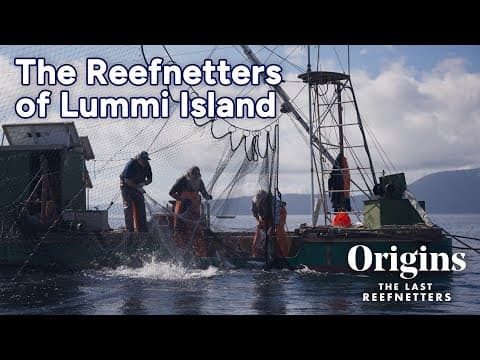
The blog explores the unique fishing method of reefnetting practiced by the Lummi Island community, its historical significance, current challenges, and efforts to preserve this traditional practice for future generations.
Reefnetting is a traditional fishing method that has deep roots in the culture of the Lummi Island community. This blog post delves into the history, techniques, and current challenges faced by the last reefnetters, highlighting their dedication to preserving this unique practice.
Reefnetting differs significantly from other fishing methods such as seiners or gillnetters. While those methods involve chasing fish, reefnetting is a stationary technique where nets are permanently fixed, allowing fishermen to watch the fish come to them. This method not only reflects a deep connection to the environment but also embodies a cultural heritage that has been passed down through generations.
Larry Kinley, a pivotal figure in the reefnetting community, envisioned a future where this practice would be taught to students at Northwest Indian College. His goal was to reconnect the younger generation with their ancestors and the traditions of their people. Kinley’s passion for reefnetting was rooted in his family’s history as one of the pioneer families on Lummi Island, where farming and fishing were integral to their way of life.
The history of reefnetting on Lummi Island dates back to 1935 when traps were banned, leading many local fishermen to adopt this method. At its peak, there were 78 reefnet gears in Legoe Bay, making it a bustling fishing town. However, the number of active gears has drastically decreased over the years, with only 12 remaining today. This decline reflects broader environmental and regulatory challenges that have impacted the fishing industry.
Today, reefnetting accounts for only 5% of the commercial catch in Washington State. Many reefnetters cannot rely solely on this practice for their livelihood, often holding other jobs as electricians, carpenters, or teachers. Despite the challenges, these fishermen continue to pursue reefnetting out of passion and a commitment to their heritage.
Modern reefnetting incorporates technology, such as solar-powered battery systems and winches, to enhance efficiency. However, the environmental conditions have made fishing increasingly difficult. For instance, the sockeye salmon returns have been low, leading to the cancellation of fisheries scheduled for the year. This situation is exacerbated by environmental issues such as warming ocean temperatures and natural disasters like rock slides.
The Washington Reefnet Owners Association plays a crucial role in advocating for reefnet fishermen. This organization provides resources, organizes meetings, and fosters a sense of community among its members. Additionally, the Salish Center for Sustainable Fishing Methods, founded in 2018, aims to educate the public about the importance of reefnetting and its historical significance.
As the reefnetting community faces uncertainty, there is a strong desire to pass on this tradition to future generations. Many reefnetters view themselves as placeholders, ensuring that the knowledge and skills of reefnetting are preserved until the practice can flourish again in the Salish Sea. The call for a new version of Coast Salish stories emphasizes the need for recognition and respect for Indigenous practices and their relevance in today’s world.
The reefnetters of Lummi Island represent a unique cultural heritage that is at risk of fading away. Their commitment to preserving this traditional fishing method is not only about catching fish but also about maintaining a connection to their ancestors and the environment. As challenges mount, the future of reefnetting hangs in the balance, making it imperative to support and advocate for this vital aspect of the Lummi Island community.



















