
This blog post explores the economic implications of climate change, highlighting how inaction and current fossil fuel subsidies are the least effective ways to address the crisis. It discusses the rising costs of food, taxes, and insurance due to climate change, and emphasizes the need for reform in how we approach climate solutions.
Climate change is a pressing issue that is not only an environmental concern but also a significant economic challenge. With trillions of dollars being spent on climate-related initiatives, it is crucial to evaluate whether we are getting value for that money. This post will explore the economic impacts of climate change and identify the least effective ways to address this global crisis.
Climate change is already affecting our planet, leading to hotter temperatures, more intense natural disasters, and increased international conflicts over resources. According to a 2019 study by the International Monetary Fund, persistent increases in temperature could reduce global GDP per capita by 7% by the year 2100. To put this into perspective, a 7% drop in global GDP today would equate to the economies of the UK, Germany, and France disappearing.
The economic damage caused by climate change is not just a future concern; it is a reality we are facing today. A study conducted last year estimated that between 2000 and 2019, climate change-related extreme weather events cost approximately $2.8 trillion, averaging over $16 million per hour. This figure represents the additional damage caused by climate change, not just the total damages from natural disasters.
Even if individuals have not directly experienced extreme weather events, they are still feeling the economic impacts of climate change in various ways:
Food production is heavily dependent on climate conditions. For instance, wheat requires specific temperature and rainfall ranges to thrive. When these conditions are disrupted by heat waves or droughts, yields drop, leading to increased food prices. A study indicated that food inflation in Europe spiked significantly after a particularly hot summer in 2022, with predictions of further increases in the coming decade due to warming.
Certain foods, such as cocoa and olive oil, have already seen price surges due to climate-related issues. Additionally, the volatility of food prices is increasing, making it difficult for businesses to maintain cash flow, which in turn leads to higher prices for consumers.
Climate change is also affecting tax burdens. As resource scarcity increases due to droughts and other climate impacts, military spending is likely to rise, which is ultimately passed on to taxpayers. Furthermore, the need for new infrastructure, such as flood defenses, and increased healthcare funding to address climate-related health issues are additional costs that taxpayers must bear.
The insurance industry is feeling the strain of climate change as well. With more frequent and intense natural disasters, insurance companies are facing higher payouts, leading them to raise premiums. This trend is evident globally, but particularly in the United States, where property insurance rates are climbing due to the increased risk associated with climate change.
The least effective way to tackle climate change is to do nothing. Investing in renewable energy or electric vehicles may seem costly, but studies show that these solutions are generally less expensive than the economic damages caused by unmitigated climate change. For example, a paper published in Nature found that the cost of limiting climate change to 2°C by 2100 is six times lower than the economic costs of climate impacts between now and 2050.
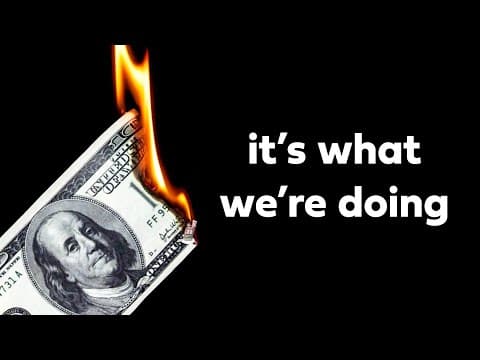
Currently, we are not only failing to act but are also exacerbating the problem by subsidizing fossil fuel companies at an alarming rate of $13 million per minute. This is significantly higher than the $6 million per hour in climate damages. The continuation of these subsidies is making us poorer, as it directly contributes to rising costs in food, insurance, and taxes.
To effectively combat climate change, we need to reform how we subsidize fossil fuel companies and support policies aimed at reducing carbon emissions. This approach not only saves money in the long run but also helps mitigate the economic damage caused by climate change.
Investing in climate solutions should be viewed as an investment in our future, with the potential for significant returns. Additionally, investing in personal education and skills development can open up new opportunities and contribute to a more sustainable future.
The economic impacts of climate change are profound and far-reaching. By recognizing the least effective ways to tackle this crisis—namely, inaction and continued fossil fuel subsidies—we can begin to shift our focus towards more effective solutions that not only address climate change but also protect our economic well-being. It is imperative that we act now to reform our approach and invest in a sustainable future for all.



















