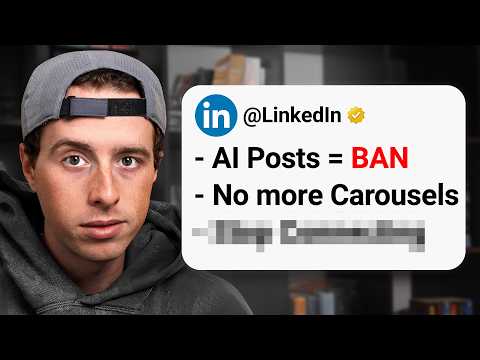
LinkedIn's algorithm and platform dynamics have significantly changed in 2026, making old content strategies less effective. Founders, especially in B2B tech, must shift from generic content to unique, personal storytelling and proactive outbound engagement. Building a content ecosystem with multiple team members and leveraging LinkedIn's targeting tools are key to standing out and generating leads in a crowded timeline.
LinkedIn has evolved dramatically as we enter 2026. The platform's rules have shifted, and continuing to use outdated strategies can put you at a disadvantage. Having worked closely with over a hundred top founders on LinkedIn over the past four years, I have witnessed these changes firsthand. This article breaks down what has changed, why it matters, and how you can position yourself to succeed on LinkedIn today.
Over the last three years, building an audience on LinkedIn and posting content has transitioned from a fringe idea to a mainstream marketing strategy, especially among B2B technology companies such as SaaS and AI firms. Many founders invest heavily in content support immediately after raising seed or Series A rounds, hiring marketers or agencies to manage LinkedIn content.
The rise of AI tools like Claude and ChatGPT has drastically lowered the time and effort required to produce LinkedIn posts. With a simple prompt and a subscription, anyone can generate an endless stream of passable content. This has increased competition on the platform.
LinkedIn's algorithm has changed significantly in the past year. What worked in 2024 or 2025 no longer guarantees success in 2026. Consistent posting and following old best practices often result in declining reach. Analytics from Shield, a LinkedIn analytics company, show that average impressions for accounts with 25,000 to 50,000 followers have dropped to around 2,500 impressions, a decrease from previous years.
The combination of platform maturity, more users posting content, and AI-generated posts has saturated the LinkedIn timeline. This makes it harder to stand out and capture attention.
Despite these challenges, LinkedIn remains the most effective platform for reaching B2B buyers, particularly in technology sectors like SaaS and AI. Understanding the platform's current dynamics is crucial to leveraging it effectively.
As LinkedIn matures, organic reach tends to decrease as the platform encourages paid advertising. This is a common trend across social media platforms.
More content creators and AI tools have lowered the barrier to entry, increasing competition for attention on the timeline.
LinkedIn now often surfaces older posts from weeks ago and content from people you do not follow. This shift means your content may not appear immediately or consistently in your followers' feeds.
The key to success is producing content that is unique and personal—stories and examples that AI cannot replicate. Shift your content from generic "how-to" posts to "how I" narratives that share your personal experiences.
Unlike other platforms, LinkedIn allows you more control over who sees your content. You can proactively build your audience by sending connection requests and engaging with others' content through comments.
If you use data, make it proprietary and specific. For example, Shield's benchmark reports on LinkedIn impressions have garnered significant engagement because they provide unique insights backed by real data.
While text-only posts can still perform, adding relevant photos or videos significantly boosts engagement. Consider turning your office into a studio to capture behind-the-scenes photos and videos regularly.
Encourage multiple team members, including founders and employees, to post regularly. Aim for three to five active posters to amplify your company's presence. This approach places you in the top 0.1% of companies on LinkedIn.
Contrary to outdated beliefs, employees building personal brands benefit both themselves and the company. It increases distribution and creates lasting career assets for employees.
Leverage Sales Navigator's powerful filters to find and connect with your ICP. Filters like company headcount and location help target the right audience efficiently.
LinkedIn in 2026 is a more competitive and complex platform. Success requires adapting to new rules by creating unique, personal content, building a multi-person content ecosystem, and proactively engaging with your audience. By understanding these shifts and applying these strategies, founders and B2B companies can continue to grow their presence and generate leads effectively on LinkedIn.
For those interested, there are free content calendar templates available that provide a structured posting schedule from Monday to Friday, designed to help you gain followers and leads over 30 to 90 days.
Embrace these new rules and position yourself to win on LinkedIn in 2026 and beyond.