
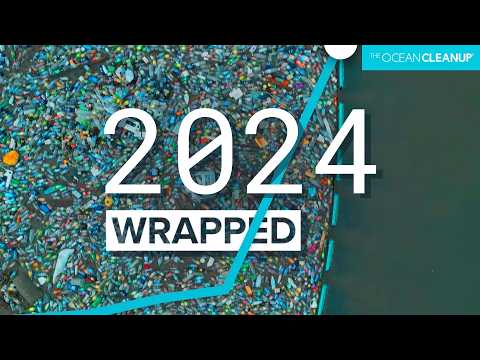
In 2024, The Ocean Cleanup achieved a record of over 11,000 tons of plastic removed from oceans and rivers. Key initiatives included optimizing ocean operations, deploying new river interceptors, and innovative collaborations with brands like Coldplay and Kia. The organization continues to focus on research and community impact, aiming for even greater success in 2025.
In 2024, The Ocean Cleanup made significant strides in its mission to rid the world's oceans of plastic. This year marked a pivotal moment as the organization reported a total global trash catch from oceans and rivers exceeding 11,000 tons, a figure that surpasses the cumulative impact of all previous years combined. This blog post delves into the key achievements, innovative strategies, and collaborative efforts that defined The Ocean Cleanup's progress in 2024.
The most notable achievement of 2024 was the massive amount of plastic waste collected. With over 11,000 tons of trash removed from the oceans and rivers, The Ocean Cleanup demonstrated the effectiveness of its operations. This accomplishment not only highlights the scale of the plastic pollution problem but also showcases the organization's commitment to addressing it.
A significant part of the success in 2024 can be attributed to the optimization of ocean operations, particularly through the use of System 03 in the Great Pacific Garbage Patch (GPGP). This system was enhanced to be more efficient, reliable, and safe for marine life. As a result, The Ocean Cleanup managed a total of 112 extractions from the GPGP.
In September, the organization declared that the cleanup of the GPGP is both achievable and affordable, estimating the total cost at $7.5 billion. To put this into perspective, this amount is less than what the United States spends on Halloween decorations each year.
In addition to removing existing plastic waste, The Ocean Cleanup focused on preventing more trash from entering the oceans. This was achieved by improving the performance of existing river interceptors and deploying new ones in strategic locations.
In Bangkok, the flagship Interceptor Original initiated the first phase of a multi-year initiative aimed at cleaning the Chao Phraya River and reducing plastic pollution in the Gulf of Thailand. In Jamaica, the organization expanded its network of interceptors based on data gathered from previous deployments. In October, Interceptor 15 was installed in Sandy Gully, the largest gully in Kingston.
In Guatemala, The Ocean Cleanup launched Interceptor 21, also known as Barricade XL. This massive barrier serves as the last line of defense for the Gulf of Honduras, which is home to the second-largest coral reef in the world. These efforts not only target plastic pollution but also aim to protect and restore oceanic, coastal, and riverine environments.
The initiatives undertaken by The Ocean Cleanup in 2024 have had a positive impact on local communities. By intercepting trash, the organization has improved the lives and livelihoods of fishing communities and benefited local residents. The focus on community engagement is a crucial aspect of the organization's mission.
The year 2024 also saw unique collaborations that highlighted the potential for transforming plastic pollution into valuable products. Notably, Coldplay utilized plastic collected in Guatemala to manufacture their limited edition record, "Moon Music." Additionally, Kia created the world's first car product made from plastic sourced from the Great Pacific Garbage Patch, specifically a limited edition EV3 trunk liner. These partnerships exemplify how plastic waste can be repurposed into useful items, raising awareness about the issue of plastic pollution.
The Ocean Cleanup's progress in 2024 was built on a foundation of fundamental research. The organization continued to invest in solving critical scientific unknowns related to plastic pollution in oceans and rivers. This commitment to research is essential for developing effective solutions and strategies to combat plastic waste.
As 2024 comes to a close, The Ocean Cleanup expresses gratitude to its dedicated followers and supporters. The organization acknowledges that there is still much work to be done and looks forward to even greater impact and success in 2025. The call to action is clear: continue to follow their progress and join in the effort to solve this planet-sized problem together.
In conclusion, The Ocean Cleanup's achievements in 2024 serve as a beacon of hope in the fight against plastic pollution. With innovative solutions, community engagement, and a commitment to research, the organization is poised to make an even greater impact in the years to come.



















