
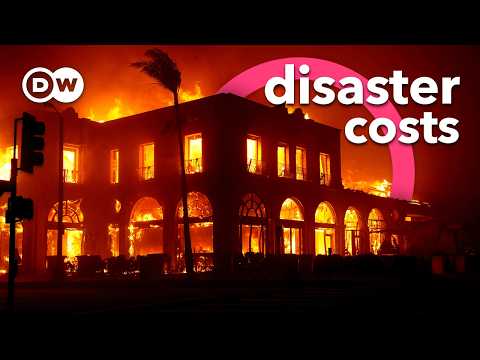
Climate change is significantly impacting global housing markets, driving up costs and creating a phenomenon known as climate gentrification. This blog explores the causes of the housing crisis, the role of insurance, and potential solutions to make housing more affordable and resilient against climate-related disasters.
In recent years, the dream of homeownership has shifted dramatically. Many affluent individuals are now opting for homes that are elevated above flood levels or situated away from wildfire zones. This change is largely driven by climate change, which is reshaping where people want to live and, consequently, increasing housing costs globally.
Housing costs have surged in many parts of the world, leading to widespread discussions about gentrification. Factors contributing to this crisis include:
Sara McTarnaghan, a researcher on climate change's impact on communities, notes that this issue transcends urban and rural divides, affecting homeowners and renters alike. Home prices and rents are rising at a pace that outstrips income growth, particularly in major cities.
Natural disasters, which have become more frequent due to climate change, are exacerbating the housing crisis. Over 1.2 billion people are vulnerable to critical climate hazards, with a significant concentration in Asia and a substantial number in the United States. Howard Botts, Chief Scientist at CoreLogic, highlights the increasing risk of simultaneous disasters, such as hurricanes and flooding, which compound the challenges faced by communities.
A new phenomenon known as climate gentrification is emerging, where areas previously deemed undesirable are now in high demand due to their perceived safety from climate threats. For instance, in Miami, wealthier individuals are moving from low-lying coastal areas to higher-elevation neighborhoods, displacing existing low-income residents. This shift is driving up property values in these previously affordable areas.
The aftermath of natural disasters often leads to significant increases in housing prices. For example, after Hurricane Katrina, housing prices in New Orleans surged by 33%, while Puerto Rico saw a 22% increase following Hurricane Maria. The rebuilding process often prioritizes new developments over affordability, leaving many displaced residents unable to return.
Insurance is another critical factor contributing to rising housing costs. In Australia, for example, 15% of households spend over four weeks of their annual income on home insurance. In the U.S., homeowners insurance premiums nearly tripled from 2001 to 2021. As insurance costs rise, landlords often pass these expenses onto tenants, further driving up rents.
Many individuals in at-risk regions face a difficult choice: either forgo insurance or relocate to more affordable areas. Unfortunately, many opt for minimal or no coverage, leading to a significant protection gap. In 2023, only 38% of damages from natural disasters were insured, with the gap being even wider in the Global South, where it reaches 85%.
The insurance industry is grappling with the challenge of affordability. Rising costs and falling revenues have led some insurers to exit high-risk markets, such as Florida and California. This trend exacerbates the housing crisis, as fewer options are available for homeowners seeking coverage.
To address these challenges, several strategies can be implemented:
The intersection of climate change and housing affordability presents a complex challenge that requires a collective approach. Without addressing these issues, the costs associated with housing and the damage from natural disasters will continue to escalate. As we navigate this crisis, it is crucial to rethink our strategies for housing and insurance in the face of climate change.
What measures do you think are necessary to ensure housing remains affordable and resilient? Share your thoughts in the comments.



















