
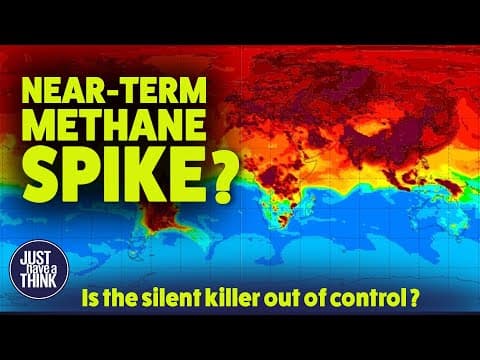
Methane, a potent greenhouse gas, is often overshadowed by carbon dioxide in discussions about climate change. This blog post explores the significant impact of methane emissions, their sources, and potential solutions to mitigate their effects on global warming.
While carbon dioxide (CO2) has dominated discussions about climate change, another greenhouse gas, methane, poses a significant threat that has been largely ignored. Methane's impact on global warming could be the difference between keeping temperature increases below 2 degrees Celsius or allowing them to rise towards 3 degrees or more. This blog post delves into the science of methane, its sources, and the urgent need for action.
Methane is a naturally occurring gas that is often referred to as ‘natural gas’ by the fossil fuel industry. This terminology was introduced in the early twentieth century to distinguish cleaner methane from the more polluting coal-derived methane. Although methane produces about half the carbon dioxide emissions per unit of energy compared to coal, it is crucial to understand its potency as a greenhouse gas.
Methane is approximately 30 times more impactful than CO2 over a 100-year period, and this figure rises to about 87 times more impactful over a 12 to 20-year period. This increased potency is due to the molecular structure of methane, which allows it to absorb infrared radiation more effectively than CO2.
Despite its significant impact, methane emissions have been largely overlooked. According to the latest Global Methane Budget, emissions have increased by 17% since the 1980s, reaching 575 million tonnes per year between 2010 and 2019. Notably, two-thirds of these emissions are attributed to human activity.
Agriculture: 40% of human-induced methane emissions come from agriculture, primarily from livestock. Ruminant animals, such as cows and sheep, produce methane through a digestive process called enteric fermentation. With an estimated 1.5 billion cows and 1.3 billion sheep globally, livestock contribute significantly to methane emissions.
Rice Cultivation: Rice paddies, which are often flooded, contribute about 8% of human-caused methane emissions due to decomposing organic matter.
Fossil Fuels: The fossil fuel sector accounts for about one-third of human-caused methane emissions, primarily from leaks in oil and gas pipelines. The European Commission's methane strategy aims to improve leak detection and repair, but the effectiveness of these measures remains to be seen.
Natural sources of methane, such as wetlands and oceans, are also affected by human activity. Degradation of ecosystems like mangroves can turn these carbon sinks into greenhouse gas emitters. Additionally, thawing permafrost in the Arctic, which is warming at an alarming rate, poses a potential risk for abrupt methane release, further exacerbating climate change.
Over 150 countries have signed a Global Methane Pledge to reduce emissions by 30% before the end of the decade. Achieving this goal could lower global warming by 0.2 to 0.5 degrees Celsius by 2050. The good news is that methane has a relatively short atmospheric lifespan of about 12 years, making it one of the fastest ways to combat climate change.
Dietary Changes: A mass transition to plant-based diets could significantly reduce methane emissions from livestock.
Innovative Agricultural Practices: Research into methane blockers, such as seaweed and specific vaccines, aims to reduce emissions from livestock.
Improved Rice Cultivation: Developing climate-friendly rice varieties and reducing water consumption in rice paddies can help mitigate emissions.
Leak Detection Technologies: Advanced tracking technologies, such as MethaneSAT, can help identify and address methane leaks in the fossil fuel industry.
The threat of methane gas in climate change is significant and requires immediate attention. While the solutions are known and achievable, human inaction and a lack of critical thinking stand in the way. Addressing methane emissions is crucial for mitigating climate change and ensuring a sustainable future.
As we move forward, it is essential to engage in discussions about methane and its impact, as well as to support initiatives aimed at reducing emissions. The time to act is now, and every effort counts in the fight against climate change.



















