
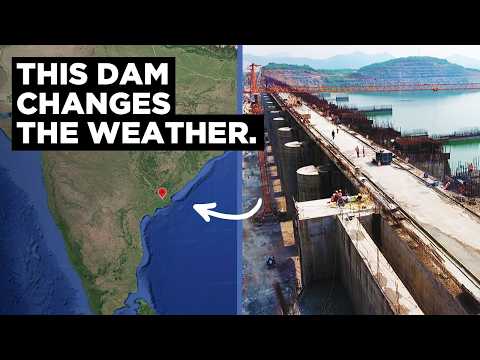
The Polavaram Project in Andhra Pradesh, India, is a massive infrastructure initiative designed to manage the region's extreme weather conditions by transferring water between flood and drought-prone areas. Despite its ambitious goals and significant investment, the project has faced numerous challenges, including natural disasters, political issues, and land acquisition hurdles, leading to delays and increased costs.
Andhra Pradesh, one of India's largest states, is home to over 50 million people and a thriving agricultural sector. However, it faces a paradox of catastrophic floods and severe droughts. For nearly a century, engineers and governments have sought to create a monumental project to address these critical issues by transferring water between flood and drought-prone areas. The Polavaram Project, a massive infrastructure initiative, aims to achieve this balance.
The state of Andhra Pradesh is characterized by its tropical monsoon climate, which can lead to extreme atmospheric conditions. Approximately 800,000 hectares of land regularly experience flooding, an area five times larger than London. In 2024, a devastating flood resulted in the loss of numerous lives. Conversely, four districts in the western part of the state have suffered from years of inadequate rainfall, leading to declining crop yields and a lack of drinking water. This stark contrast highlights the urgent need for a solution to manage water resources effectively.
The Polavaram Project is designed to stretch over 3.5 kilometers across the Godavari River, India's second-longest river. Its primary objectives include:
The Spillway
The most visible part of the project is the spillway, which stands over 50 meters high and features 48 hydraulic gates. This structure is engineered to manage extreme flooding, with a discharge capacity of five million cusecs, making it the largest spillway in the world. In 2019, a record-breaking 32,000 cubic meters of concrete were poured in just 24 hours during its construction.
The Fish Ladder
An innovative feature of the spillway is the fish ladder, which allows fish to swim upstream to their breeding grounds during the monsoon season, ensuring ecological balance.
The Dam
The dam, which is yet to begin proper construction, will span nearly 2.5 kilometers and be built in two phases to a height of 45 meters. It will be constructed using a mixture of compacted earth and rock, supported by a concrete diaphragm wall to prevent leaks.
Canals and Reservoirs
The project includes two giant canals that will direct water to reservoirs 180 kilometers away and connect the Godavari River to the Krishna River, addressing drought conditions in the western regions of the state.
Hydropower Plant
A 960MW hydroelectric power plant is also being constructed alongside the dam to harness the energy from the flowing water.
Despite its ambitious goals, the Polavaram Project has encountered numerous challenges:
As of late 2024, Andhra Pradesh Chief Minister Chandrababu Naidu has set a new completion deadline for the project by 2027, with phase one of the dam expected to be finished by October 2026. The state’s Minister for Water Resources emphasized the importance of adhering to this timeline, stating that there should be no deviations from the plan.
The Polavaram Project represents a monumental effort to address the water management challenges faced by Andhra Pradesh. While it has faced significant hurdles over the decades, the potential benefits of this infrastructure project could transform the region's agricultural landscape and provide a sustainable solution to its flooding and drought issues. As the project moves closer to completion, the true test will be whether it can deliver on its promise to be a lifeline for millions in the state.



















