
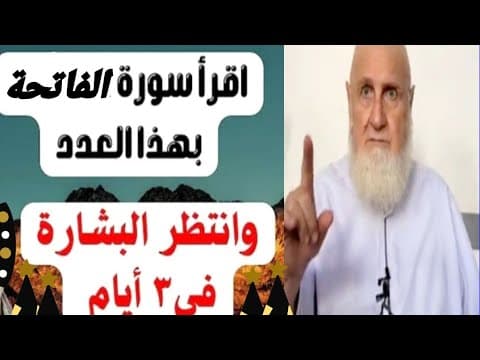
Al-Fatiha, the opening chapter of the Quran, is revered for its profound significance in Islamic faith, offering blessings, healing, and guidance. This blog explores its importance, benefits, and the spiritual practices associated with it.
Al-Fatiha, known as the opening chapter of the Quran, holds a unique and esteemed position in Islamic tradition. It was revealed before the migration of the Prophet Muhammad and is the fifth surah to be revealed. Its significance is underscored by the fact that it begins the Quran, making it a cornerstone of Islamic teachings.
Al-Fatiha is often referred to as the greatest surah due to its comprehensive encapsulation of the core principles of the Quran. It emphasizes gratitude towards Allah, acknowledging His names and attributes, and establishes the foundation of worship and guidance. The surah includes:
This surah is considered a treasure for believers, offering healing, blessings, and protection from adversity.
In a narration by Abu Huraira, the Prophet Muhammad described three significant gifts that come from reciting Al-Fatiha:
In times of economic hardship, especially in the context of conflicts affecting the Islamic world, Al-Fatiha is seen as a source of divine blessings. It is recommended to recite it after the Fajr prayer while facing the Qibla, raising one's hands in supplication. The prayer emphasizes reliance on Allah for sustenance and abundance, asking for His provision and guidance.
Al-Fatiha is also known as a source of healing. The Quran states, "And We send down in the Quran that which is healing and mercy for the believers." Many hadiths support the idea that reciting Al-Fatiha can cure ailments. For instance, a traveler recited it over a person suffering from epilepsy, and by the third day, the individual was healed. This illustrates the surah's power as a remedy for physical and spiritual ailments.
Al-Fatiha provides solace in times of distress and fear. The phrase "Maliki Yawmid-Din" serves as a reminder of Allah's sovereignty and control over all matters. During battles, the Prophet encouraged his companions to recite this surah to calm their hearts and strengthen their resolve. This practice is particularly relevant for those facing personal challenges or communal strife, such as the current situation in Gaza.
In light of the ongoing struggles faced by many in the Islamic community, particularly in Gaza, there is a call for collective prayer. It is encouraged to recite Al-Fatiha 33 times daily, focusing on the intention of seeking victory and support for those in need. This communal act of faith can foster unity and strength among believers.
Al-Fatiha is not just a chapter of the Quran; it is a profound declaration of faith, a source of healing, and a guide for righteous living. Its recitation is a powerful tool for invoking Allah's mercy and blessings. As believers, embracing the teachings of Al-Fatiha can lead to spiritual fulfillment and resilience in the face of life's challenges. Let us hold onto this surah as a beacon of hope and a means of connecting with the divine.



















