
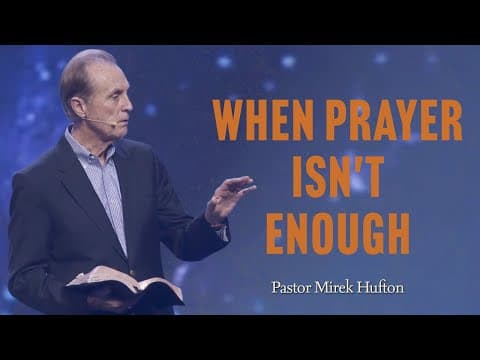
This blog explores the significance of fasting and prayer in spiritual practice, highlighting historical movements, biblical examples, and the transformative power of these disciplines in overcoming challenges and deepening faith.
Fasting and prayer have long been recognized as powerful spiritual practices that can lead to profound transformations in individuals and communities. This blog delves into the historical context, biblical foundations, and practical implications of these disciplines, emphasizing their relevance in today's world.
The significance of fasting and prayer can be traced back to various historical movements, particularly in the United States after World War II. During this period, there was a remarkable surge in fasting and prayer among believers. For two to three years, churches and groups across the nation engaged in extensive fasting, with many individuals abstaining from food for 10, 15, or even 20 days. This unprecedented movement resulted in a powerful outpouring of God's presence, leading to miraculous healings and a significant increase in the number of believers.
In the Gospel of Matthew, we find a compelling account of the disciples' inability to cast out a demon from a young boy. After their failure, they approached Jesus for clarification. In Matthew 17:19-21, Jesus explained that their inability was due to their unbelief and emphasized the necessity of prayer and fasting. He stated, "However, this kind does not go out except by prayer and fasting." This passage highlights that certain spiritual challenges require more than just prayer; they necessitate the added discipline of fasting.
Jesus himself exemplified the importance of fasting. After His baptism, He fasted for 40 days and nights in the wilderness, demonstrating His commitment to prayer and spiritual discipline. This model serves as a reminder that fasting is not merely an optional practice but a vital component of a robust spiritual life.
The story of Nineveh, as recounted in the book of Jonah, further illustrates the power of fasting and prayer. When Jonah warned the city of impending destruction, the entire population, including the king and even animals, engaged in fasting and prayer. Their collective repentance led God to change His mind and spare the city. This narrative underscores the potential for fasting to invoke divine mercy and intervention.
Another biblical example is found in 2 Chronicles 20, where King Jehoshaphat faced a formidable alliance of enemy armies. Outnumbered and overwhelmed, Jehoshaphat called for a fast among the people. They sought God's guidance through prayer and fasting, which resulted in divine intervention. God provided them with specific instructions that led to their miraculous victory. This account illustrates how fasting can lead to clarity and direction in times of crisis.
Fasting is often viewed as a lost discipline within the modern church. However, it is essential to reclaim this practice as a means of deepening one's faith and enhancing spiritual effectiveness. Fasting is defined as abstaining from food for a spiritual purpose, and it serves to align believers more closely with God's will.
Fasting impacts individuals on multiple levels. It can lead to increased spiritual sensitivity, clarity of purpose, and a deeper connection with God. By setting aside physical nourishment, believers can focus on spiritual sustenance, seeking God's presence and guidance.
In today's world, many believers encounter spiritual challenges that may seem insurmountable. The teachings of Jesus remind us that some obstacles require a combination of prayer and fasting. Engaging in these practices can empower individuals to confront and overcome difficulties, whether they be personal struggles, health issues, or societal challenges.
Fasting and prayer are powerful spiritual disciplines that have the potential to transform lives and communities. By looking to historical movements and biblical examples, we can understand the significance of these practices in our spiritual journeys. As believers, it is crucial to embrace fasting as a means of deepening our faith, seeking divine intervention, and experiencing the fullness of God's power in our lives. In a world where challenges abound, the call to prayer and fasting remains as relevant as ever, inviting us to engage more deeply with our faith and the God we serve.



















