
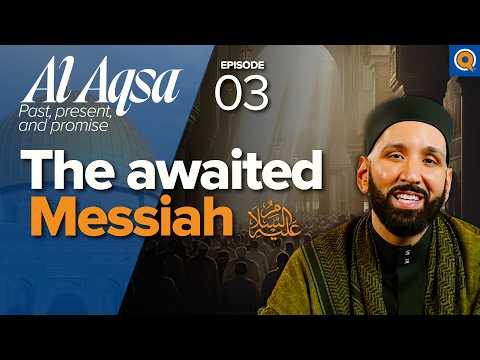
This blog post explores the historical and spiritual significance of Jerusalem through the lens of various prophets, their struggles, and the concept of the promised land, emphasizing the qualities that make a people worthy of divine favor and victory.
In this third session of the Al-Aqsa Series, Dr. Omar Suleiman reflects on the profound historical and spiritual significance of Jerusalem, the promised land, and the prophets who have shaped its narrative. This discussion is not merely a recounting of events but an exploration of the qualities that make a people deserving of divine favor and victory.
As we delve into the stories of the prophets, we are reminded of the blessings of the land of Asham and the current struggles faced by its people. We ask Allah to bless them and guide them towards victory. This session aims to connect the historical narratives of the prophets with the spiritual lessons they impart, particularly regarding the qualities that make one worthy of the promised land.
The narrative begins with the story of Joseph, whose life exemplifies the themes of betrayal and redemption. Thrown into a well by his brothers, he rises to power in Egypt, illustrating the irony of his journey from despair to authority. This story sets the stage for understanding the trials faced by the prophets and their communities.
The Prophet Muhammad's journey from Mecca to Jerusalem is a pivotal moment in Islamic history. It symbolizes a reward for the perseverance of the early Muslims who faced immense challenges. This transition from the desert to the holy city highlights the significance of faith and resilience.
Moses' story is marked by the struggle of the Israelites as they wander in the desert due to their lack of faith. Despite witnessing miracles, they hesitate to enter the promised land, demonstrating how spiritual shackles can hinder progress. This narrative serves as a cautionary tale about the importance of faith and courage in the face of adversity.
The earliest recorded civilization in the region, the Natufians, practiced monotheism, setting a spiritual precedent for future inhabitants. The Canaanites, who established themselves around 2000 BC, are noted as the first Arab inhabitants of the land, further intertwining the history of the region with its spiritual significance.
Abraham's flight from the tyrant Nimrud to Jerusalem marks a significant moment in the spiritual lineage of the prophets. His establishment of faith in the land is foundational, as he embodies the qualities of righteousness and devotion that are essential for claiming the promised land.
The Israelites' exodus from Egypt under Moses' leadership is a critical event. Despite their liberation, they falter at the brink of entering the promised land due to fear and disbelief. This highlights the theme of spiritual readiness and the consequences of failing to trust in divine support.
Throughout history, the cycle of righteousness leading to victory and wickedness leading to defeat is evident. The Israelites' repeated disobedience results in their downfall, while the emergence of righteous leaders like Joshua and David illustrates the potential for redemption and divine favor.
David's rise to power and his establishment of Jerusalem as the capital is a testament to the qualities of justice and piety. His reign exemplifies the ideal of a ruler who prioritizes spiritual integrity over worldly desires, setting a standard for future leaders.
The concept of the Messiah emerges as a beacon of hope for the Israelites, who long for a leader to restore their glory. This anticipation reflects their spiritual yearning for divine intervention amidst political oppression. The narratives surrounding figures like Judas Maccabeus and Simon of Perea illustrate the complexities of messianic expectations.
The arrival of Jesus, heralded by John the Baptist, signifies a new chapter in the spiritual narrative. His teachings challenge the corruption within the religious elite and call for a return to true worship. However, his rejection by many highlights the ongoing struggle between righteousness and wickedness.
The stories of the prophets and the history of Jerusalem remind us of the qualities that make a people worthy of divine favor. Faith, resilience, integrity, and a commitment to justice are essential for claiming the promised land. As we reflect on these narratives, we must ask ourselves: Are we worthy of the blessings that come with such a sacred heritage? May Allah guide us to embody the qualities of the righteous and grant us the honor of being among those who are deserving of His mercy and victory.



















