
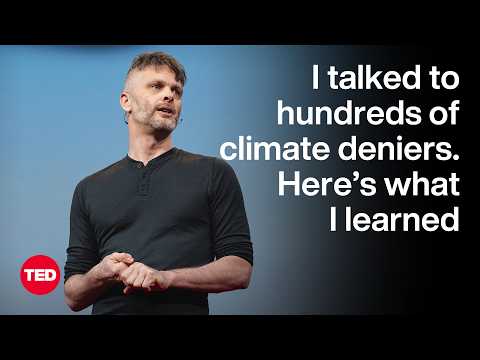
David Finnigan's play "Kill Climate Deniers" sparked unexpected conversations about climate change and denial, revealing the complexities of public perception and the psychological barriers to accepting climate science. Through his experiences, Finnigan highlights the need for a deeper understanding of the consequences of climate change and the importance of aligning beliefs with actions.
David Finnigan, a playwright from Ngunnawal country in southeast Australia, has a unique perspective on climate change, shaped by his background in a family of climate scientists. In 2014, he wrote a provocative play titled "Kill Climate Deniers," which aimed to ignite a conversation about the clash between the undeniable force of climate change and the often stagnant political response.
"Kill Climate Deniers" tells the story of eco-terrorists who take over Australia's Parliament House during a Fleetwood Mac concert, demanding an immediate end to climate change. While the premise is absurd, Finnigan intended to provoke thought about the serious implications of climate change and the political inertia surrounding it. The title itself was designed to be provocative, but Finnigan clarified that it was not aimed at any real individuals.
Finnigan references the work of journalists and scientists, such as Naomi Oreskes, to explain how climate denial emerged. In the 1950s and 60s, oil and gas companies recognized the threat posed by greenhouse gas emissions and began funding efforts to cast doubt on climate science. This led to the creation of a climate denial movement, supported by a network of pundits and journalists who profit from denying the reality of climate change.
Upon announcing the play, Finnigan anticipated backlash from climate deniers and right-wing media, which he received in abundance. A conservative politician called for the play's cancellation, and various media outlets accused it of inciting terrorism. Due to safety concerns for the actors, the production was ultimately canceled, leaving Finnigan feeling defeated but determined.
Instead of abandoning the project, Finnigan collaborated with musician Reuben Engel to transform the play into an album. They toured Australia, performing in nightclubs and hosting a covert walking tour of Parliament House, where audiences could experience the story in a real-world context. This innovative approach helped build an audience and demonstrated that no real-life eco-terrorism occurred as a result of the play.
After four years, "Kill Climate Deniers" finally premiered at the Griffin Theatre in Sydney in 2018, followed by productions in cities like Prague, London, and Los Angeles. While Finnigan was pleased with the play's success, he was surprised by the continued engagement from climate deniers, who began reaching out to him.
Finnigan found himself in conversations with real climate deniers—ordinary people rather than industry executives. He was puzzled by their passion and commitment to debunking climate science. Through these discussions, he discovered that while their beliefs were misguided, they were rooted in a genuine concern about the implications of climate change.
Many climate deniers expressed fears that climate activism was a guise for controlling freedoms and imposing top-down interventions. Finnigan realized that while they were incorrect about the science, they were right about the consequences of climate change: diets will change, communities will be displaced, and migration will increase.
Finnigan argues that while many accept the science of climate change, they often fail to act accordingly. He describes this phenomenon as a form of soft denial, where individuals acknowledge the reality of climate change but continue to live as if it does not exist. He reflects on his own behavior, admitting that despite his efforts to reduce his carbon footprint, he still engages in actions that contradict his beliefs.
Finnigan concludes that climate deniers, in their refusal to accept the reality of climate change, are living in alignment with their beliefs. He suggests that those who accept the science but act contrary to it are the true deniers. He emphasizes the importance of recognizing the consequences of climate change and aligning actions with beliefs to prepare for an uncertain future.
David Finnigan's journey through the creation and reception of "Kill Climate Deniers" offers valuable insights into the psychology of climate change and public perception. By engaging with climate deniers and reflecting on the broader implications of climate science, he encourages a more profound understanding of the challenges ahead and the necessity of aligning our beliefs with our actions in the face of climate change.



















