
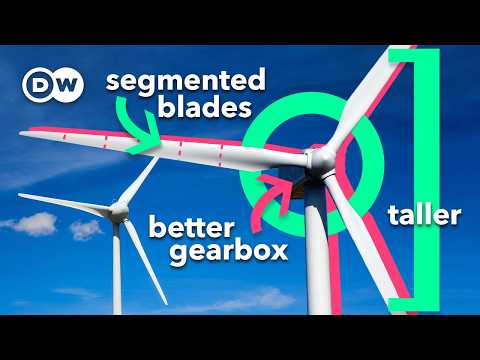
The wind energy sector is evolving with larger, more efficient turbines designed to harness wind power more effectively. Innovations such as taller towers, longer blades, and low wind turbines promise increased energy production. However, the industry faces significant challenges, including rising costs and logistical hurdles in manufacturing and transporting these massive structures.
Wind energy has been a crucial part of the renewable energy landscape for centuries, evolving from simple windmills to sophisticated wind farms. Recent advancements in turbine technology promise to significantly enhance energy production, but the industry faces numerous challenges that could impact its growth.
Historically, wind energy was harnessed using rudimentary designs. The first wind farm had a peak capacity of just 0.6 megawatts. Today, the average wind turbine in the United States boasts a capacity more than five times that amount. Despite this progress, wind energy has encountered turbulent times recently, especially when compared to the booming solar energy sector.
To maximize energy production, the wind energy industry is focusing on building larger turbines on taller towers. For instance, in June 2024, the Chinese manufacturer Dongfang erected a turbine with a rotor diameter of 260 meters, capable of powering approximately 36,000 households. This trend towards larger turbines is driven by two main factors:
The development of low wind turbines is another exciting innovation in the wind energy sector. These turbines can start generating electricity at lower wind speeds, which could lead to increased revenue for turbine owners. However, they come with higher costs—estimated to be 35-45% more expensive due to the need for specialized materials and components. Despite these costs, projections suggest that low wind turbines could play a significant role in the industry by 2045, provided that costs are managed effectively.
As turbines grow larger, engineering challenges also increase. One critical component is the gearbox, which transforms the rotational force of the blades into usable electricity. Currently, gearboxes can weigh up to 40 tons, and there is a limit to how large they can become due to transportation constraints. To address this, manufacturers are focusing on increasing torque density, allowing for more power without increasing size.
Two primary innovations are being explored to enhance gearbox performance:
Transporting rotor blades that exceed the length of a football pitch presents significant logistical challenges. One proposed solution is to manufacture segmented blades, which can be easier to transport and repair. However, this approach introduces complexities in assembly and can increase costs by around 20%, while only reducing transport costs by 5%.
The wind industry is currently facing a perfect storm of rising costs. Since the COVID-19 pandemic, steel prices have surged by over 50%, and overall turbine costs have increased by 20-40%. This has led to significant financial losses for major manufacturers, with leading Western OEMs losing more than $12 billion from 2020 to mid-2024. The lengthy timelines required to build wind projects further exacerbate these challenges, as manufacturers struggle to keep up with rising costs.
Despite the challenges, the wind energy sector is poised for growth with taller towers, longer blades, and higher capacities. However, the pace of this growth remains uncertain. Industry players are likely to focus on maximizing returns from existing technologies before investing in new innovations. The future of wind energy will depend on overcoming these challenges while continuing to innovate and adapt to changing market conditions.
In conclusion, the race to build the perfect wind turbine is not just about size and efficiency; it also involves navigating complex engineering challenges and economic pressures. As the industry evolves, it will be crucial to balance innovation with cost management to ensure a sustainable future for wind energy.



















