
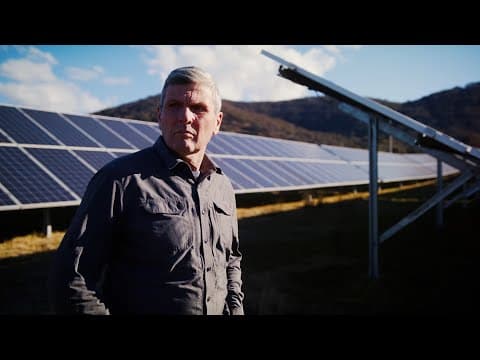
Australia's ambitious push for 80% renewable energy by 2030 raises critical questions about reliability, costs, and the implications of transitioning from fossil fuels. This blog post explores the challenges and realities of achieving net zero emissions, highlighting the complexities of renewable energy generation, the role of gas, and the potential economic impacts on consumers and industries.
Australia is currently undergoing a significant energy revolution, with the Albanese government aiming for over 80% of electricity generation to come from renewable sources such as wind, solar, and hydro power by 2030. This ambitious target is more than double the current generation from renewables and is part of a broader commitment from both major political parties to achieve net zero carbon emissions by 2050. However, this transition raises critical questions about the real costs involved, the reliability of energy supply, and the implications for everyday Australians.
The narrative surrounding renewable energy often emphasizes its low cost, primarily because its fuel—sunshine and wind—is free. However, as energy prices have surged over the past five years, many are beginning to question this assumption. The reality is that while renewable energy has the potential to be cheap, the transition to a system reliant on it is fraught with challenges.
In recent years, energy prices in Australia have increased by more than a third, with gas prices doubling in the last year alone. This has led to significant financial strain on households and businesses alike. For instance, Belinda Jones, a pensioner, reported receiving an electricity bill of $1,733, leaving her with only $719 after paying her bills. Such scenarios are becoming increasingly common as energy costs rise.
One of the primary issues with renewable energy is its intermittent nature. Unlike traditional coal or gas plants, which can provide a steady supply of electricity, wind and solar generation cannot deliver power on demand. For example, during periods of low wind or cloudy weather, solar farms can produce little to no energy. This unpredictability poses a significant challenge for maintaining a reliable electricity supply.
To address the gaps left by renewable energy, a reliable backup system is essential. Natural gas has emerged as a crucial component of this backup strategy. It is not merely a supplementary source of energy; rather, it is seen as the backbone of a weather-dependent grid. Without sufficient gas supply, the reliability of the electricity system is at risk, especially during peak demand periods or prolonged weather events that limit renewable generation.
Transitioning to a renewable energy system is not just about installing solar panels and wind turbines; it involves significant infrastructure investment. The costs associated with building new transmission lines, upgrading existing networks, and integrating renewable sources into the grid are substantial. For instance, the construction of new transmission lines is projected to add 8-9% to consumers' electricity bills.
Despite the push for renewables, gas remains a critical part of the energy mix. It provides the necessary reliability that renewables alone cannot offer. As coal-fired power plants close, the demand for gas is expected to increase, leading to higher prices. This situation is exacerbated by the fact that Australia is running out of domestic gas supplies, prompting the need for liquefied natural gas imports.
The push for renewable energy has also raised environmental concerns. The construction of wind farms and solar installations often involves significant land use changes, which can disrupt local ecosystems and communities. Indigenous leaders and environmental activists have voiced their opposition to projects that threaten their land and heritage.
To achieve the ambitious renewable energy targets, Australia must not only invest in generation capacity but also in the necessary infrastructure to support it. This includes building new transmission lines and ensuring that the grid can handle the increased load from electric vehicles and other electrification efforts. Without careful planning and investment, the risk of blackouts and energy shortages will grow.
As Australia marches towards its net zero goals, the challenges of transitioning to a renewable energy system are becoming increasingly apparent. The costs associated with this transition will likely fall hardest on the most vulnerable populations, and the reliability of energy supply remains a pressing concern. While the vision of a greener future is appealing, the reality is that achieving net zero emissions will require a balanced approach that includes a mix of renewable energy, gas, and potentially nuclear power.
The journey towards net zero is complex and fraught with challenges, but it is essential for Australia to navigate these hurdles thoughtfully to ensure a reliable, affordable, and sustainable energy future for all.



















