
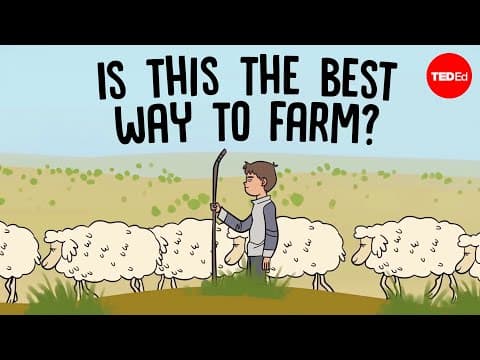
Nomadic farmers, or pastoralists, have historically played a crucial role in sustainable land management and food production. However, modern policies have restricted their mobility, leading to economic vulnerability and environmental challenges. Grassroots movements and innovative solutions are emerging to support these communities and restore their traditional practices.
Two millennia after the domestication of crops and livestock, humanity witnessed a significant agricultural innovation: pastoralism. This practice involves the strategic movement of livestock to seasonal grazing areas, allowing pastoralists to develop trade relationships and maintain a mobile lifestyle. This way of life has historically provided wealth, social status, and political independence to pastoralists, a tradition that continues to this day.
Today, there are hundreds of millions of mobile pastoralists across every continent except Antarctica. From the Himalayas to the Andes and the Alps, these communities manage various livestock, including sheep, goats, cattle, and yaks. Notable examples include the Saami pastoralists in the Arctic, who work with reindeer, and the Van Gujjar pastoralists in northern India, who keep water buffalo. These groups have developed sustainable practices that allow them to coexist with their environments while producing essential food and animal products.
Despite their historical significance, pastoralists face numerous challenges, particularly in the last century. Political and economic policies have increasingly restricted their access to essential resources, making them more vulnerable to climate change. This is especially evident in sub-Saharan Africa, where millions of pastoralists produce the majority of the continent's meat and milk.
Throughout the late 20th century, various programs aimed to encourage pastoralists to settle in one place. Governments limited their access to public services such as healthcare and education, created designated watering holes to confine them to specific regions, and privatized vast areas of rangeland that were historically shared. The motivations behind these policies varied, ranging from misguided modernization efforts to attempts at population control. However, the outcome has been detrimental, leading to increased poverty, reduced sustainability, and diminished economic resilience among pastoralist communities.
Historically, sub-Saharan pastoralists played a vital role in maintaining the health of African grasslands through their grazing practices. Their seasonal migrations prevented overgrazing, and their livestock's manure enriched the soil. However, modern restrictions on their movement have hindered effective land management, making it challenging to sustain healthy ecosystems.
As global droughts become more frequent due to climate change, pastoralists' traditional knowledge of following rain patterns and understanding landscape dynamics is increasingly critical. However, those confined to drought-stricken areas cannot utilize these skills effectively. Unhealthy herds can lead to disease outbreaks, threatening both livestock and human populations. Additionally, sick herds become unproductive, limiting the income of pastoralists.
Pastoralists often find themselves selling their products in informal markets with minimal oversight. These markets operate on an international scale, creating competition that drives prices down and increases volatility. Consequently, pastoralists face unstable incomes and rely on intermediaries who impose high transaction costs, further exacerbating their economic challenges.
While pastoralists worldwide face similar issues, the solutions being pursued in sub-Saharan Africa may inspire global change. Grassroots movements, in collaboration with government groups and NGOs, are advocating for several key initiatives:
The most crucial change needed is for governments to recognize the value of pastoral mobility. Pastoralism has sustained ecosystems and economies for millennia, and embracing the knowledge that underpins this history is essential for the future of our planet. By supporting pastoralists and their traditional practices, we can foster resilience in the face of modern challenges and ensure the sustainability of both their communities and the environments they inhabit.



















