
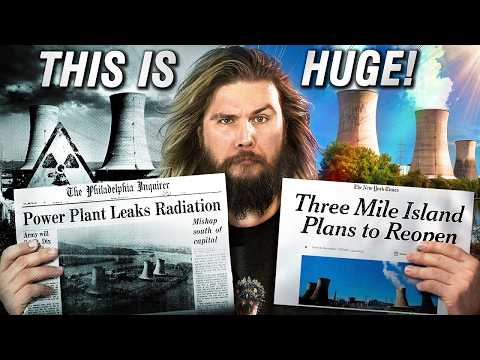
Microsoft's agreement to source nuclear energy from Three Mile Island marks a significant shift in the perception and utilization of nuclear power in the U.S., highlighting its potential as a stable, clean energy source for the future, especially in the context of rising energy demands from AI technologies.
In a surprising turn of events, tech giant Microsoft has announced plans to utilize nuclear power from the infamous Three Mile Island (TMI) to fuel its artificial intelligence data centers. This decision comes amid a growing demand for energy, particularly as AI technologies expand. By 2030, researchers estimate that data centers could consume up to 9% of all electricity in the United States. This blog post explores the implications of this development, the history of Three Mile Island, and what it means for the future of nuclear energy in America.
My visit to Three Mile Island coincided with the announcement that Microsoft would purchase energy from the power plant for the next 20 years. This marked a pivotal moment in the nuclear industry, signaling a potential renaissance for nuclear power in the United States. The plant, which ceased operations in 2019, is set to restart in 2028, exclusively supplying power to Microsoft.
Three Mile Island is often remembered for the partial meltdown of its reactor unit 2 in March 1979, which was the worst nuclear disaster in U.S. history. However, unlike Chernobyl and Fukushima, the aftermath of TMI did not leave behind significant contamination. The incident was primarily a communications disaster, leading to mass evacuations fueled by fear rather than actual radiation exposure. The gases vented during the incident, such as krypton and xenon, quickly diluted in the atmosphere and posed minimal health risks.
The decision to restart TMI unit 1 is driven by economic factors. Restarting an existing nuclear power plant is more cost-effective than building new facilities from scratch. With the demand for stable, clean energy rising, companies like Microsoft, Google, and Meta are turning to nuclear power as a reliable solution. Nuclear energy provides a consistent output, unlike renewable sources such as wind and solar, which can be intermittent.
The revival of TMI unit 1 is expected to create between 600 and 700 full-time jobs, providing significant economic benefits to the surrounding communities. According to a study by the Brattle Group, transforming TMI unit 1 could generate billions in tax revenue and GDP, while offsetting the emissions equivalent to a million vehicles annually. This potential for job creation and economic revitalization is a compelling argument for the local workforce, many of whom were affected by the plant's closure.
As companies expand their data centers to support AI technologies, the need for stable energy sources becomes critical. Nuclear power stands out as a viable option due to its ability to provide base load energy, which is essential for meeting consistent demand. Unlike solar and wind, which are subject to environmental variability, nuclear energy can deliver a steady supply of electricity, making it an attractive choice for tech giants.
Artificial intelligence systems, such as ChatGPT and Midjourney, require substantial energy to operate. These technologies function similarly to human brains, processing vast amounts of information through complex neural networks. As AI continues to proliferate, the demand for clean, reliable energy sources will only increase, further solidifying nuclear power's role in the energy landscape.
In an effort to distance itself from its troubled past, TMI unit 1 will be rebranded as the Crane Clean Energy Center. This strategic move aims to foster goodwill within the community and signal a new beginning for the facility. Constellation, the company operating TMI, has committed to philanthropic efforts in the area, further demonstrating its commitment to being a positive community partner.
The revival of Three Mile Island as a nuclear power source for Microsoft represents a significant shift in the narrative surrounding nuclear energy in the United States. As major corporations embrace nuclear power to meet their energy needs, it may herald a new era for the industry. The potential for job creation, economic growth, and a stable energy supply positions nuclear power as a key player in the transition to a cleaner energy future. With the backing of influential tech companies, the future of nuclear energy looks promising, and the lessons learned from the past may finally pave the way for a brighter, more sustainable energy landscape.



















