
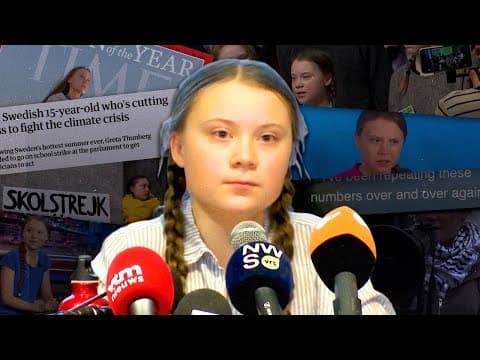
This blog post explores the trajectory of Greta Thunberg's activism, the media's portrayal of her, and the implications of her shift towards addressing climate change in relation to capitalism and colonialism. It critiques the savior narrative surrounding her and discusses the broader societal and political contexts that have influenced her visibility and impact.
About a year ago, a TikTok video featuring two young influencers discussing a controversial podcast episode about Greta Thunberg caught my attention. The episode, released by the podcast Emergency Intercom, sparked outrage as the hosts dismissed Thunberg's impact, suggesting she had "fallen off" in her activism. This incident reflects a broader trend in how society engages with public figures, especially those involved in political activism. In this post, we will chronicle Thunberg's rise as a cultural icon, analyze the media's problematic coverage of her, and explore the evolution of her activism.
Greta Thunberg, born in Stockholm in 2003 to an actor and an opera singer, became a prominent figure in climate activism at the age of 15. Her journey began when she learned about climate change and fell into a deep depression, leading her to advocate for urgent action. Inspired by youth protests against school shootings, she initiated the school strike for climate in August 2018, sitting outside the Swedish Parliament with a sign that read, "I am doing this because you adults are [expletive] on my future."
Thunberg's blunt messaging resonated globally, positioning her as a voice for her generation. Her protests gained traction, leading to international climate strikes and speeches at major events, including the UN Climate Change Conference. Her famous speech at the 2019 UN Climate Action Summit, where she chastised world leaders with the words, "How dare you?" became a rallying cry for climate activists.
Despite her significant impact, the media's portrayal of Thunberg has often been problematic. Initially, she was framed as a savior figure for a generation, which set unrealistic expectations for both her and her peers. This narrative not only placed undue pressure on Thunberg but also allowed adults to absolve themselves of responsibility for climate action, believing that the younger generation would save the world.
The media's focus on Thunberg's youth and emotional appeals often overshadowed the systemic issues she was addressing. Coverage frequently highlighted her as a singular hero rather than acknowledging the collective efforts of many young activists worldwide. This savior narrative ultimately contributed to a backlash against her when expectations were not met, leading to comments like those from the Emergency Intercom hosts.
As Thunberg's activism evolved, she began to connect climate change with broader issues of colonialism and capitalism. This shift marked a departure from the mainstream narrative that framed climate change as a purely environmental issue. Thunberg's focus on the intersectionality of climate justice highlighted how marginalized communities are disproportionately affected by environmental degradation.
Her activism became more radicalized, particularly after the COVID-19 pandemic, as she recognized the limitations of existing climate action frameworks. Thunberg's critiques of the UN climate conferences and the capitalist structures that perpetuate environmental harm reflect a deeper understanding of the systemic nature of the climate crisis.
Since 2021, Thunberg's media coverage has significantly declined. Major outlets like Time magazine, which previously celebrated her as Person of the Year, have shifted their focus away from her activism. This decline coincides with her increased emphasis on anti-capitalism and anti-colonialism, themes that challenge the status quo and are often sidelined in mainstream discourse.
Thunberg's recent activism, including protests against the Russian invasion of Ukraine and her solidarity with Palestine, has received mixed reactions. While some celebrate her courage to address these interconnected issues, others criticize her for politicizing climate activism. This backlash illustrates the challenges faced by activists who dare to connect climate issues with broader social justice movements.
Greta Thunberg's journey from a young climate activist to a global icon reflects the complexities of media narratives and societal expectations. Her evolution towards addressing the intersections of climate change, capitalism, and colonialism challenges the simplistic savior narrative that has often surrounded her. As we continue to confront the climate crisis, it is crucial to recognize the systemic issues at play and support a more nuanced understanding of activism that encompasses a range of social justice issues. The media's role in shaping these narratives will be vital in determining the future of climate activism and the voices that are amplified in the ongoing struggle for environmental justice.



















