
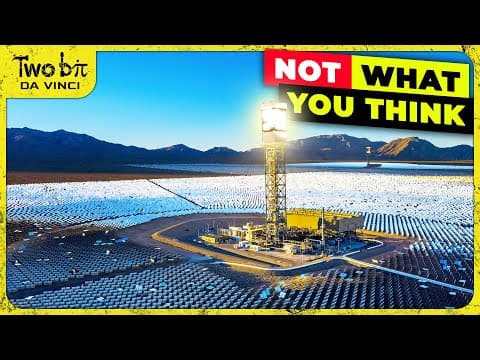
The Ivanpah Solar Power Facility, once a beacon of solar energy innovation, has faced bankruptcy due to a combination of operational challenges, high costs, and the rapid decline in solar panel prices. This blog post explores the factors leading to its failure and the implications for the future of solar energy.
The Ivanpah Solar Power Facility, located in the high Mojave Desert, was once heralded as a monumental achievement in solar energy technology. With a promise to usher in an era of endless solar power, it became the world's largest solar thermal plant upon its opening in 2014. However, just 11 years later, Ivanpah is facing bankruptcy. This blog post delves into the reasons behind its failure and what it means for the future of solar power plants.
Ivanpah is a concentrated solar power (CSP) plant, which differs from traditional photovoltaic (PV) solar panels. Instead of converting sunlight directly into electricity, Ivanpah uses mirrors, known as heliostats, to concentrate solar energy onto a central tower. This concentrated energy heats water to produce steam, which then drives turbines to generate electricity.
Despite its initial accolades, Ivanpah struggled with several operational challenges that hindered its performance:
The plant's reliance on numerous moving parts, including 173,000 heliostats, made it prone to inefficiencies. Any malfunction in the heliostats could significantly reduce energy output. For instance, in 2016, a fire occurred due to misaligned mirrors, leading to extended downtime for repairs.
CSP plants like Ivanpah require substantial amounts of water for cooling and steam generation. Ivanpah was limited to a strict water usage cap of 100 acre-feet per year, which posed challenges in maintaining operations in the arid desert environment.
The maintenance of such a complex system is not only costly but also requires ongoing attention to ensure all components function correctly. The harsh desert conditions, including sand and wind, exacerbated wear and tear on the machinery.
The energy market underwent significant changes during Ivanpah's operational timeline. The price of solar PV technology plummeted, making it increasingly difficult for CSP plants to compete. When Ivanpah was proposed in the early 2000s, PV solar was much more expensive, but by the time it became operational, the cost of PV had dropped dramatically.
The financial structure of Ivanpah also contributed to its downfall. The plant had a power purchase agreement that allowed it to charge utilities $200 per megawatt-hour, significantly higher than the market average of $35 to $50. This pricing model incentivized the use of natural gas to meet energy demands, undermining the plant's green energy credentials.
As natural gas prices remained low, Ivanpah's operational model became unsustainable. The plant's reliance on natural gas for initial heating meant that it was not producing clean energy as intended, leading to criticism and financial strain.
The story of Ivanpah serves as a cautionary tale for future solar projects. It highlights the importance of understanding market trends, technological advancements, and operational efficiencies. As solar technology continues to evolve, the integration of battery storage with solar power plants is emerging as a promising solution to address the intermittency of solar energy.
While Ivanpah may be winding down operations, the solar industry is not at a standstill. New projects, such as the Gemini Solar Power Plant, are combining large-scale solar generation with substantial battery storage capabilities, paving the way for a more reliable and efficient energy future.
The Ivanpah Solar Power Facility was an ambitious project that ultimately fell short of its goals due to a combination of operational challenges, market dynamics, and technological disruptions. As the solar industry continues to innovate, it is crucial to learn from these experiences to ensure that future projects are better equipped to meet the demands of a rapidly changing energy landscape. Ivanpah may not have succeeded as intended, but it has provided valuable insights that will shape the future of solar energy.



















