
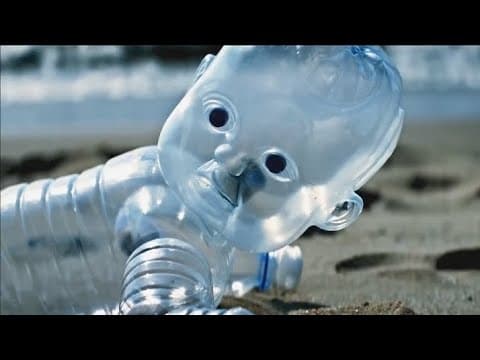
The short AI movie 'Bob the Plastic' creatively addresses the issue of plastic pollution through humor and storytelling, highlighting the importance of reducing, reusing, and recycling plastic materials while engaging audiences with a unique character.
In recent years, environmental concerns have taken center stage, particularly regarding plastic pollution. A new short AI movie titled "Bob the Plastic" cleverly tackles this issue through humor and storytelling, aiming to raise awareness about the impact of plastic on our planet. This blog post delves into the themes presented in the film, the creative process behind it, and the broader implications for environmental marketing.
Recent studies have revealed alarming findings about microplastics, including their presence in human testicles. This shocking discovery raises significant concerns about male reproductive health and the pervasive nature of plastic pollution. The film opens with a humorous yet unsettling commentary on these studies, setting the stage for a deeper exploration of plastic's impact on our lives.
The character of Bob is introduced as a personified piece of plastic, designed to evoke empathy from the audience. Bob is depicted as buoyant and carefree, seemingly unaffected by the environmental issues surrounding him. However, as the narrative unfolds, it becomes clear that Bob's existence is fraught with challenges. For instance, Bob is described as leaking and vulnerable to damage, symbolizing the fragility of plastic in our ecosystem.
The film cleverly critiques marketing strategies aimed at humanizing plastic. A character expresses discomfort with the idea that making plastic relatable might mitigate its negative perception. This commentary reflects a broader skepticism about the effectiveness of such marketing tactics in addressing environmental issues. The dialogue suggests that simply personifying plastic may not be enough to change public attitudes or behaviors.
A pivotal moment in the film emphasizes the importance of reducing, reusing, and recycling plastic. The characters discuss the need to prevent plastic from ending up in landfills, reinforcing the message that individual actions can contribute to a larger solution. This call to action resonates with viewers, encouraging them to rethink their relationship with plastic products.
The creative team behind "Bob the Plastic" engages in a humorous brainstorming session, discussing how to make the film more action-packed. Ideas such as chase scenes, shootouts, and even a revenge plot for Bob are tossed around, showcasing the playful nature of the creative process. This lighthearted approach contrasts with the serious subject matter, making the film both entertaining and thought-provoking.
As the team considers the film's distribution, they conclude that it should be shared on social media platforms where it can go viral. This decision highlights the importance of leveraging modern technology and social media to spread awareness about environmental issues. By targeting a digital audience, the film aims to engage viewers in a conversation about plastic pollution and inspire action.
"Bob the Plastic" serves as a creative and engaging commentary on the pressing issue of plastic pollution. Through humor and relatable storytelling, the film encourages viewers to reflect on their consumption habits and the environmental impact of plastic. As we continue to grapple with the consequences of plastic waste, innovative approaches like this can play a crucial role in raising awareness and promoting sustainable practices. The film not only entertains but also educates, making it a valuable addition to the ongoing dialogue about environmental responsibility.



















