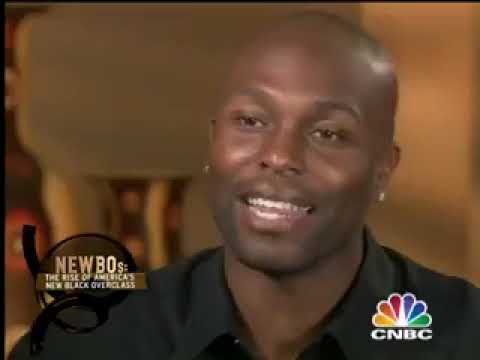
This blog post explores the emergence of a new class of wealthy African Americans, often referred to as the New Black Overclass, highlighting their entrepreneurial spirit, the challenges they face, and the responsibility they feel towards their communities. Through the stories of prominent figures like LeBron James, Tory Hunter, and others, it discusses the importance of mentorship, education, and the need for a shift in focus from material wealth to community investment.
In recent years, there has been a significant shift in the landscape of wealth among African Americans, with a new class of entrepreneurs emerging, often referred to as the New Black Overclass. This group is characterized by their ability to build substantial wealth through sports, entertainment, and business ventures, while also grappling with the responsibilities that come with their newfound success.
Last year alone, black athletes in the NBA, NFL, and Major League Baseball earned nearly $4 billion, while the top 20 hip-hop moguls brought in an additional $500 million. This staggering amount of wealth is concentrated in the hands of a few thousand young black men, who are increasingly taking ownership and control over their brands. This phenomenon is not just about individual success; it represents a collective movement towards entrepreneurship and financial independence.
One of the most prominent figures in this new class is NBA superstar LeBron James. Known for his dominance on the court, LeBron has also made significant strides as a businessman. He famously fired his agent at the age of 20 and took control of his own brand, establishing the LRMR marketing company with trusted childhood friends. LeBron's approach emphasizes collaboration and community, as he seeks to uplift those around him while building his empire.
LeBron's philosophy is clear: he aims to shift the balance from being primarily an athlete to becoming a successful businessman. He believes that by taking control of his brand and surrounding himself with trusted partners, he can create a legacy that extends beyond basketball.
Despite the financial success, many young black athletes and entertainers face unique challenges. Often coming from disenfranchised backgrounds, they may lack the financial literacy and support systems necessary to manage their wealth effectively. This can lead to poor financial decisions and a cycle of spending that does not contribute to long-term stability.
Education plays a crucial role in breaking this cycle. It is essential for young black children to focus on obtaining a solid education, rather than solely aspiring to become entertainers or athletes. The possibility of becoming a CEO or achieving wealth through traditional corporate pathways is often slimmer than the allure of sports or music. Therefore, mentorship and guidance from successful figures in the community can help steer the next generation towards sustainable success.
With great wealth comes great responsibility. Many members of the New Black Overclass feel a strong obligation to give back to their communities. Figures like Tory Hunter, a successful baseball player, have taken it upon themselves to use their wealth to influence and change the lives of young African Americans. Hunter's philanthropic efforts include funding programs that provide opportunities for underprivileged youth, demonstrating that wealth can be a tool for positive change.
Activism is another avenue through which wealthy African Americans can make a difference. The presence of a black president has inspired many to believe that they can achieve success and contribute to their communities in meaningful ways. The question remains: how can they leverage their wealth to create lasting change? The answer lies in investing in education, infrastructure, and opportunities for those who are still struggling.
As this new class continues to grow, the potential for collaboration and mentorship among its members is immense. Figures like Robert Johnson, the first black billionaire, emphasize the importance of merging talents and resources to create opportunities for others. The future of the New Black Overclass will depend on their ability to work together, support one another, and invest in their communities.
The rise of the New Black Overclass represents a significant shift in the narrative surrounding wealth and success in the African American community. While the challenges are substantial, the opportunities for growth, mentorship, and community investment are equally promising. As these young entrepreneurs continue to navigate their paths, their stories will inspire future generations to pursue their dreams while remembering the importance of giving back.