
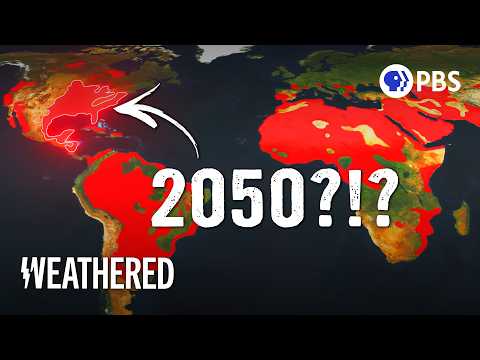
As climate change progresses, extreme humid heat waves, or wet-bulb events, pose a significant threat to human health. These events, characterized by high temperatures and humidity, can lead to dangerous conditions where the human body cannot cool itself effectively. This blog explores the science behind wet-bulb temperatures, their historical context, and the urgent need for adaptive measures to combat this growing risk.
As climate change continues to escalate, the world faces a new and alarming phenomenon: extreme humid heat waves, often referred to as wet-bulb events. Unlike traditional dry heat waves, which have historically caused significant mortality, these humid heat waves present unique challenges that could make certain regions unlivable. This blog post delves into the science behind wet-bulb temperatures, their implications for human health, and the urgent need for adaptive measures to combat this growing risk.
Dry heat waves are typically driven by large high-pressure systems that trap hot air near the Earth's surface. This phenomenon, known as adiabatic heating, occurs when air is compressed and heated as it descends. When these high-pressure systems remain stationary, temperatures can soar day after day without relief from clouds or wind. Notable examples include the 2003 European heat wave and the 2021 Pacific Northwest heat dome.
In contrast, humid heat waves occur when rising temperatures allow the atmosphere to hold more moisture. As climate change progresses, regions with moisture sources are likely to experience increased humidity alongside rising temperatures. A stark illustration of this danger occurred in 2015 when Karachi, Pakistan, faced extreme humid heat, with temperatures reaching 45 degrees Celsius combined with oppressive humidity. This event resulted in over 1,200 deaths within just ten days, primarily due to heat stroke and dehydration.
Wet-bulb temperature is a crucial metric that combines heat and humidity into a single value, helping us understand when conditions become dangerous or even lethal. To visualize this, consider a thermometer with its bulb covered in a wet sock. As water evaporates from the sock, it cools the thermometer, similar to how sweat evaporates from human skin to regulate body temperature.
The efficiency of evaporative cooling diminishes in high humidity. When the air is saturated with moisture, sweat cannot evaporate effectively, leading to a dangerous rise in core body temperature. This is where wet-bulb temperatures become critical. Research indicates that uncompensable wet-bulb temperatures range from 19 to 32 degrees Celsius, depending on various factors such as activity level, air temperature, and humidity.
The human body is adept at regulating its core temperature through sweating. However, once we exceed the limit of compensability, our core temperature begins to rise uncontrollably. This threshold is lower than previously believed, with studies indicating that at two degrees Celsius of global warming, a significant portion of the Earth's land area will experience these dangerous conditions.
At two degrees Celsius of warming, approximately 35% of the Earth's land area, including densely populated regions in India, China, and the eastern United States, will likely cross these dangerous wet-bulb thresholds. If global temperatures rise to four degrees Celsius, over 60% of the Earth's landmass could be affected, leading to increased mortality rates during heat waves.
Air conditioning (AC) is currently the primary means of protection against extreme heat. However, it is not a perfect solution. AC systems are energy-intensive and expensive, making them inaccessible to many vulnerable populations. Moreover, widespread reliance on AC can exacerbate the urban heat island effect, where cities become significantly warmer than surrounding areas due to human activities.
During extreme heat events, power grids can become overloaded as demand for cooling surges. This can lead to widespread outages, leaving those without AC at heightened risk. The compounding hazards of heat waves following severe weather events, such as hurricanes, further complicate the situation.
The reliance on air conditioning raises a critical question: how can we meet the growing demand for cooling without exacerbating climate change? Currently, AC units account for about 3% of global greenhouse gas emissions, and this number is expected to rise as the number of units worldwide nearly triples by 2050. Transitioning to clean energy sources is essential to mitigate this paradox.
Beyond improving energy sources, we must also rethink urban design. Strategies such as installing green roofs, planting trees, and creating more cooling centers can help combat extreme heat. Upgrading electrical grids to enhance resilience and prioritizing the protection of vulnerable populations during heat waves are also crucial steps.
As we navigate the challenges posed by climate change, it is clear that we are entering uncharted territory. However, we still have time to choose how severe the impacts will be. By understanding the science of wet-bulb temperatures and implementing adaptive measures, we can better prepare for a future where extreme heat becomes increasingly common.
Do you live in an area already experiencing dangerously hot and humid conditions? What strategies have worked for you to handle the heat? Share your experiences and insights as we collectively seek solutions to this pressing issue.



















